Der vollständige Leitfaden zu Holz, Finish & Beschlägen
Die richtige Holzbox zu wählen, beginnt mit dem richtigen Material. Dieser Leitfaden führt durch die fünf Holzarten, mit denen wir täglich arbeiten, acht Oberflächenfinishes, sieben Branding-Methoden und jeden Beschlag, jedes Schloss und jeden Magneten, den wir einbauen — damit Sie sicher entscheiden, bevor das erste Muster geschnitten wird.
Wie Sie Ihre Holzbox Wählen
Ein 6-stufiger Käuferprozess — von der Definition Ihres Anwendungsfalls bis zur Produktionsbestätigung. Die meisten B2B-Käufer durchlaufen diese Schritte in dieser Reihenfolge, bevor sie Muster anfordern.
Anwendungsfall Identifizieren
Definieren Sie, was die Box enthalten und wie sie verwendet wird — Retail-Verpackung, Premium-Geschenk, Aufbewahrung, Display oder Versand. Der Anwendungsfall bestimmt Gewicht, Haltbarkeit und Finish-Anforderungen.
Holzart Wählen
Stimmen Sie Ästhetik und Budget ab: Paulownia (leichteste, beste Frachtkosten), Kiefer (sauberes Korn, farbfreundlich), Bambus (nachhaltig, modern), Akazie (reiches Korn, Mittelklasse), Walnuss (Premium-Schokoladen-Hartholz).
Verschlussart Wählen
Scharnier für tägliches Öffnen; magnetisch für sauberen Premium-Look; Schiebedeckel für hardwarefreie Frachtersparnis; Schublade für organisierten Zugriff; Schloss für sichere Aufbewahrung; offen für Display.
Finish und Oberfläche Spezifizieren
Wählen Sie zwischen Naturöl (lebensmittelecht, wärmster Ton), Mattlack (sauber modern), lackiert (Farbflexibilität), gebeizt (reichere Farbe) oder angebrannt (rustikal). Jedes beeinflusst Gefühl, Haltbarkeit und Brandability.
Branding Hinzufügen
Lasergravur für Beständigkeit und feines Detail; Heißfolie für luxuriöses Gefühl; Siebdruck für Farbe; Debossing für Premium-Textur; Messingschild für Schmuckqualität.
Menge und Lieferzeit Bestätigen
Passen Sie MOQ an Ihre Verkaufsgeschwindigkeit an (typisch 200–500 für unsere Linie); planen Sie 25–35 Tage ab bestätigtem Muster. Bestellen Sie zuerst Muster bei neuem Design.
Fünf Hölzer, Seite an Seite
Schneller Vergleich der fünf Hölzer, die über 95% unserer jährlichen Produktion ausmachen. Als Abkürzung verwenden — und dann das vollständige Profil der Art lesen, die zu Ihrem Brief passt.
| Holz | Dichte | Härte (Janka) | Farbe | Geeignet für | Preis |
|---|---|---|---|---|---|
| PaulowniaDer Kaiserbaum | ~280 kg/m³ | ~300 | Creme / blond | Hochvolumige Geschenk- und Abo-Boxen | $$$$ |
| KieferDas Arbeitstier | ~510 kg/m³ | ~380 | Hellgelb → Bernstein | Wein- und Whisky-Kisten mit Brandlogo | $$$$ |
| BambusDas Öko-Hartholz | ~700 kg/m³ | ~1380 | Hellgold oder Karamell | Tee-, Kaffee- und Pad-Aufbewahrung mit lebensmittelechtem Finish | $$$$ |
| AkazieDas Charakterholz | ~750 kg/m³ | ~2300 | Honig → Schokolade | Küchen- und Esstisch-Boxen — Brotbehälter, Salzfässer, Besteckkästen | $$$$ |
| WalnussDer Luxus-Standard | ~640 kg/m³ | ~1010 | Tiefschokolade | Einzel- und Mehruhr-Präsentationsboxen | $$$$ |
Paulownia — Der Kaiserbaum
Halb so schwer wie Kiefer. Doppelt so stabil.
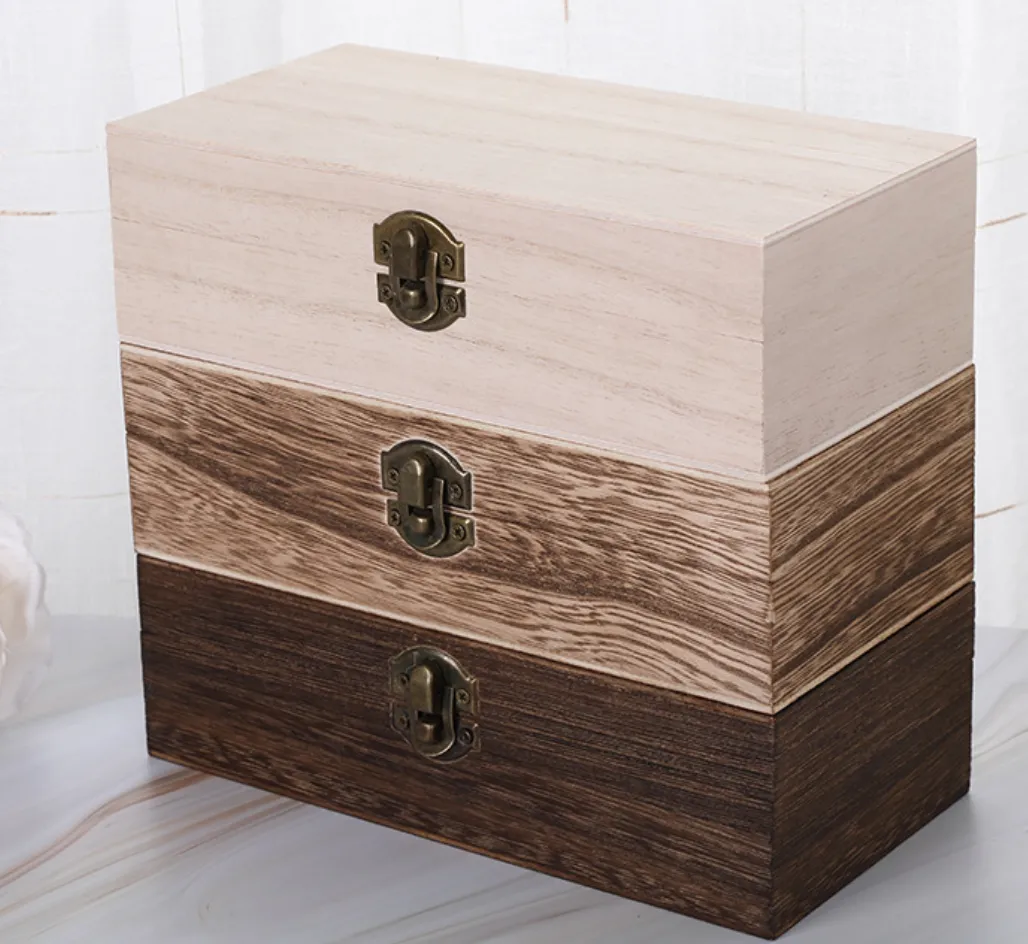
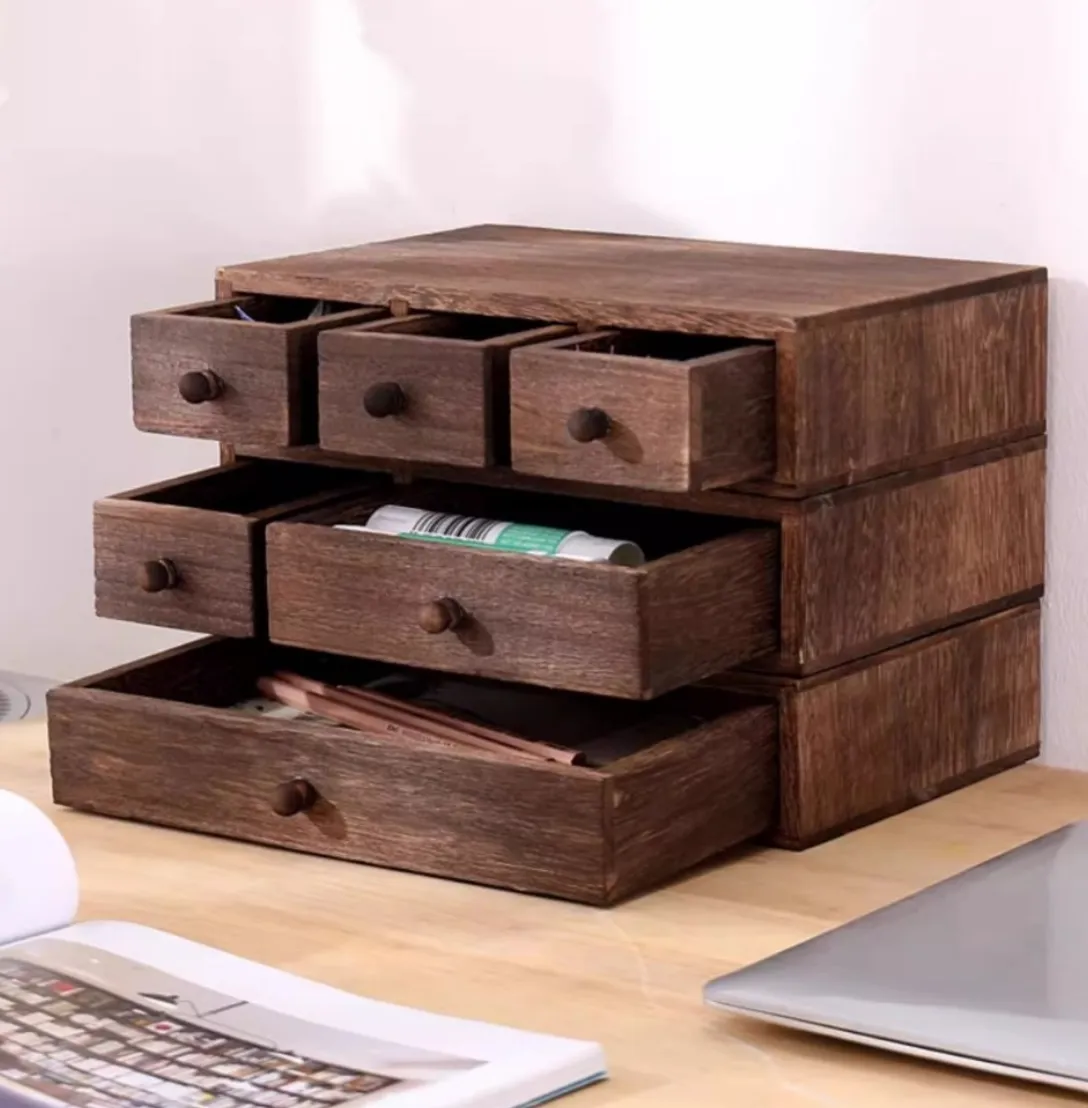
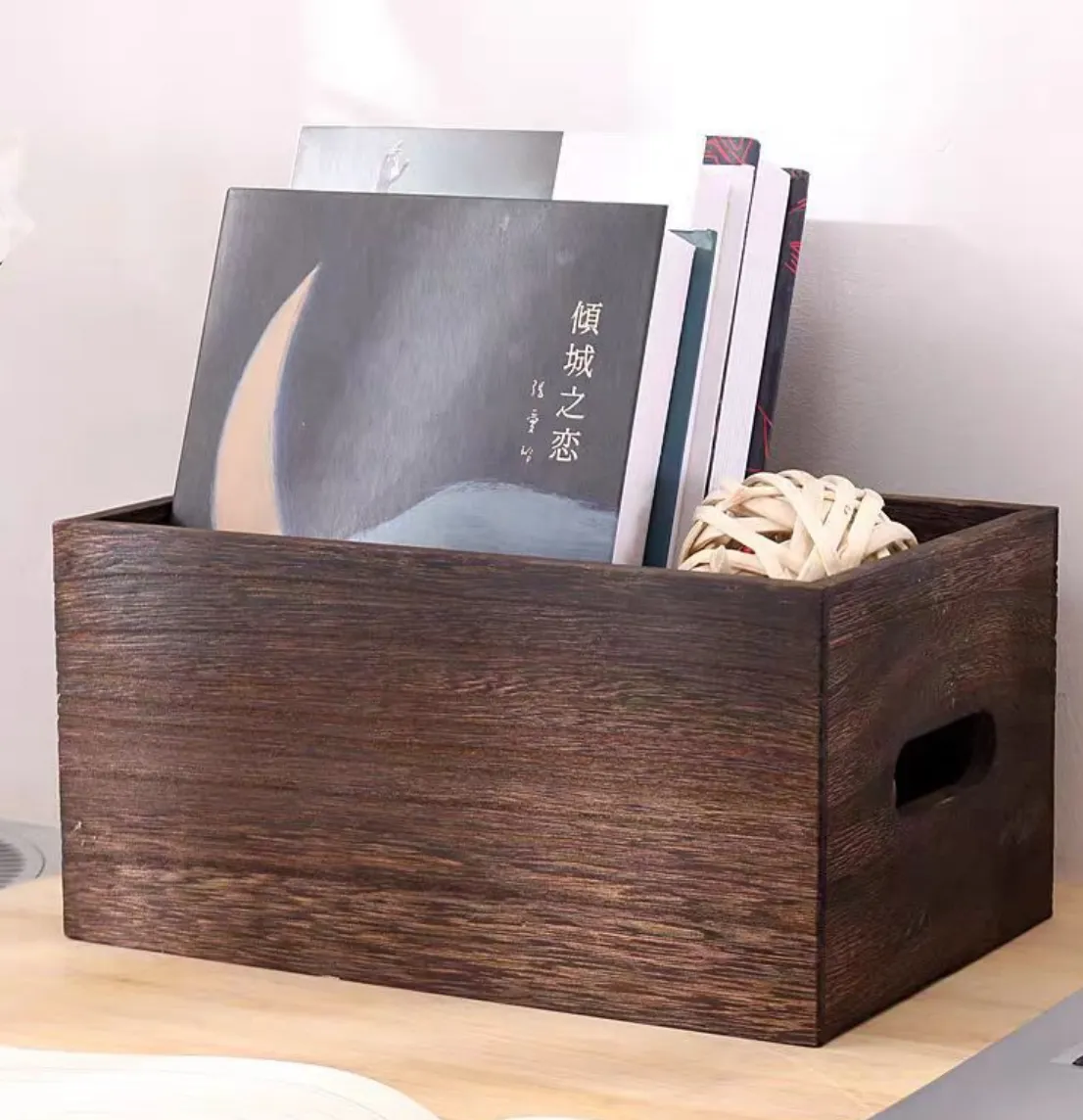
Herkunft & Geschichte. Heimisch in Zentral- und Nordchina — der „Kaiserbaum“. In Plantagen in Shandong und Anhui angebaut, erreicht er die Erntegröße in nur 5–7 Jahren und ist damit eines der nachwachsendsten Hölzer der Welt.
Visueller Charakter. Cremefarben bis blond, mit perfekt gerader, gleichmäßiger Maserung und einem weichen Satinglanz. Kaum sichtbare Figur — die perfekte Leinwand für Lasergravur, Hot Foil und Druck.
Warum Käufer es wählen
- Das leichteste Nutzholz auf dem Markt — direkter Frachtkostenvorteil, besonders bei großen Geschenkboxen.
- Maßhaltig bei Feuchtigkeitsschwankungen — verzieht sich nicht und reißt nicht zwischen Guangzhou und Hamburg.
- Saubere Lasergravur ohne Brandhof, selbst bei feiner Auflösung.
- Helle, neutrale Oberfläche nimmt jede Beize, Farbe oder jeden Druck ohne Farbverfälschung an.
Was zu beachten ist
- Weiche Oberfläche — bekommt Druckstellen. Ideal für Präsentation, nicht für intensive tägliche Handhabung.
- Nicht von Natur aus wasserbeständig; in feuchten Umgebungen ist eine Versiegelung erforderlich.
Geeignet für
Kiefer — Das Arbeitstier
Erschwinglich, charaktervoll, altert wunderschön.
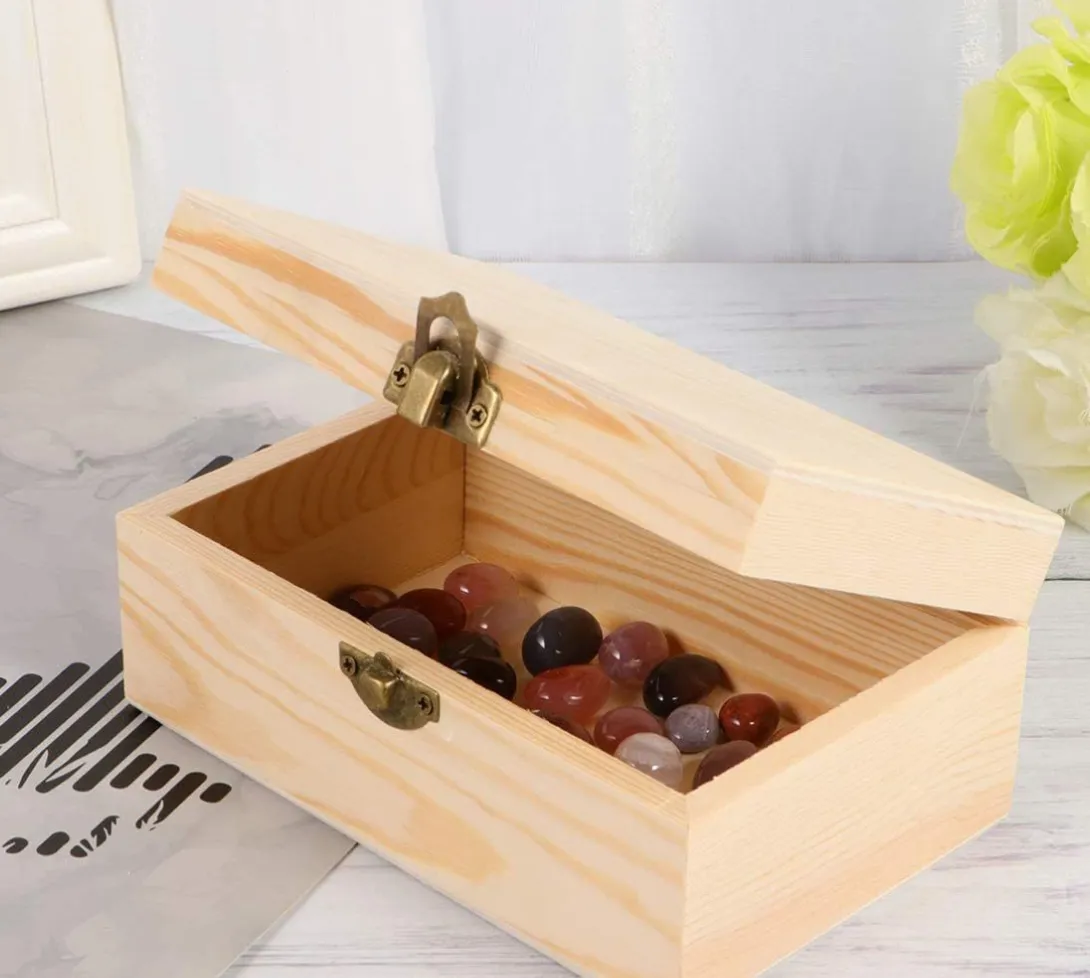
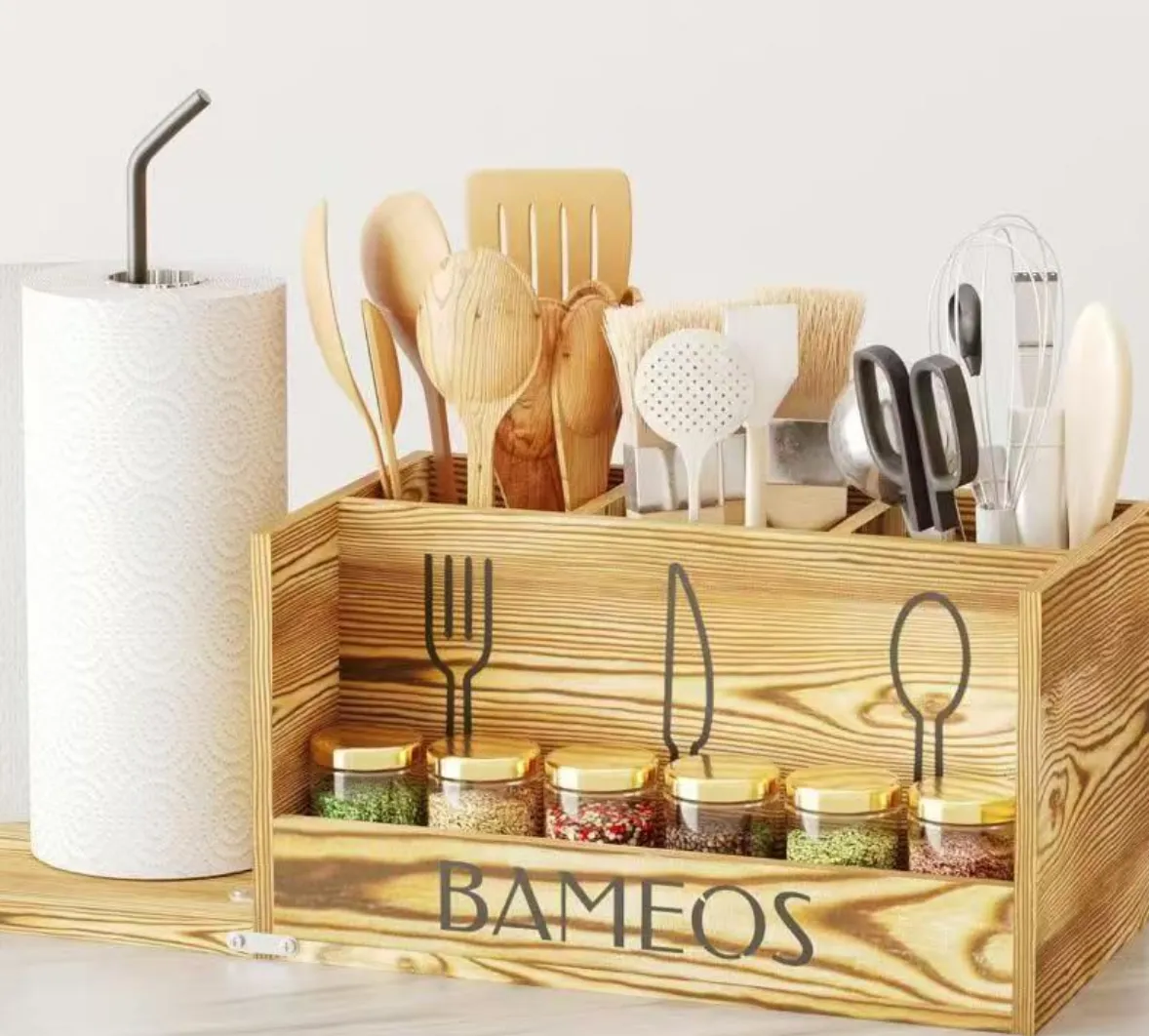
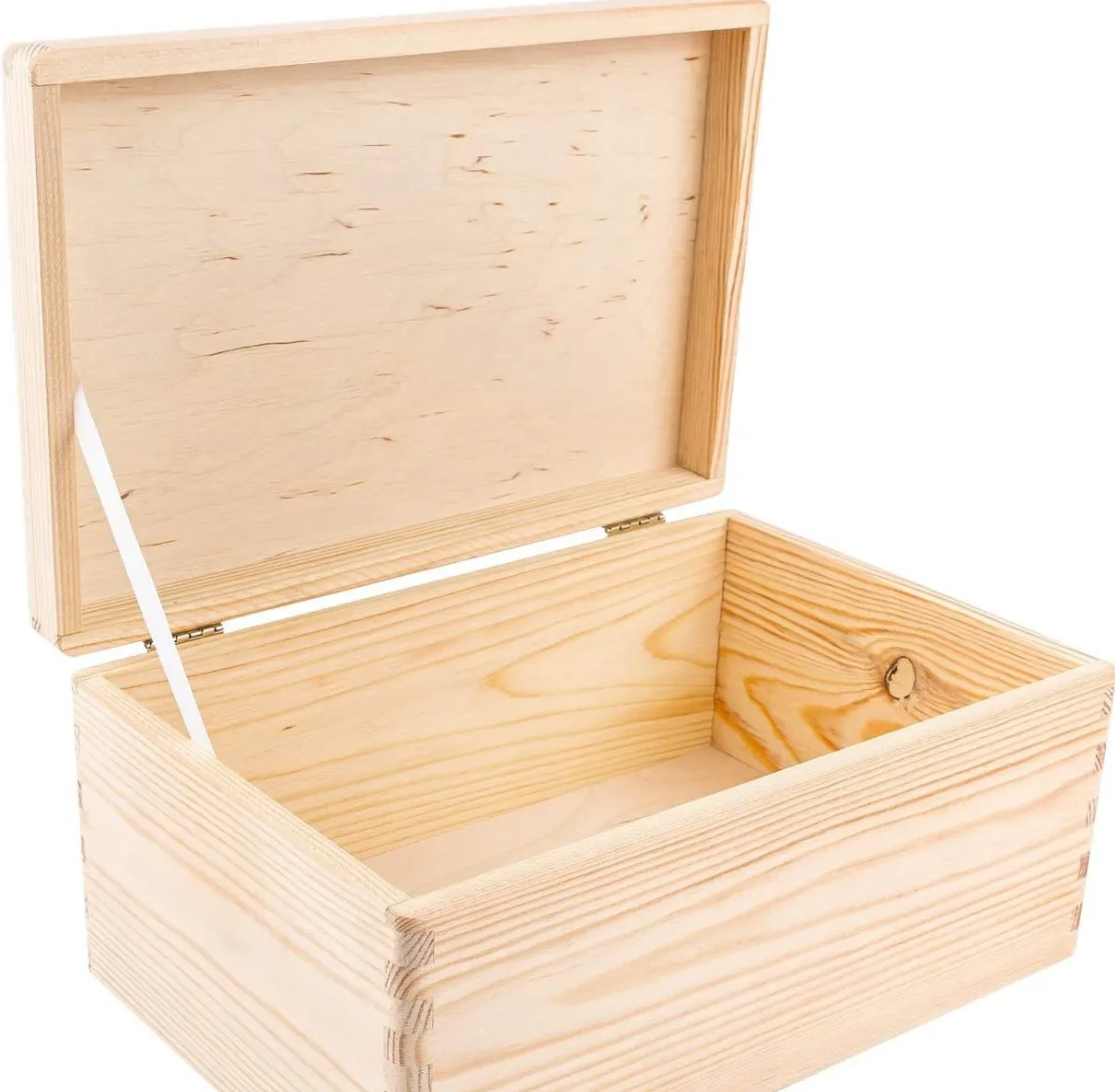
Herkunft & Geschichte. Aus europäischen Waldkiefer- und neuseeländischen Radiata-Plantagen. Kiefer ist das klassische Kisten- und Bauernhof-Holz — sofort wiedererkennbar, sofort evozierend.
Visueller Charakter. Frisch hellgelb-tan, altert zu warmem Bernstein-Honigton. Astfreie Qualitäten wirken sauber und modern; rustikale astige Qualitäten tragen offensichtlichen Charakter. Weiche, geschwungene Maserung.
Warum Käufer es wählen
- Bester Preis pro Brett-Fuß aller von uns gelagerten Arten — perfekt, wenn das Budget zählt.
- Nimmt Brandzeichen, Flammenfinish und Beize so an, wie es die meisten Harthölzer nicht können.
- Astfrei für moderne Looks, astig für rustikale Kisten — gleiche Lieferkette.
- Altert mit warmer Bernstein-Patina, die viele Käufer attraktiver finden als brandneu.
Was zu beachten ist
- Weicher als Harthölzer — Beulen, Kratzer und Werkzeugspuren werden sichtbar.
- Harztaschen können austreten, wenn das Holz nicht ordentlich kammergetrocknet ist (wir trocknen auf 8% MC).
Geeignet für
Bambus — Das Öko-Hartholz
Härter als Eiche. Grüner als alles andere.
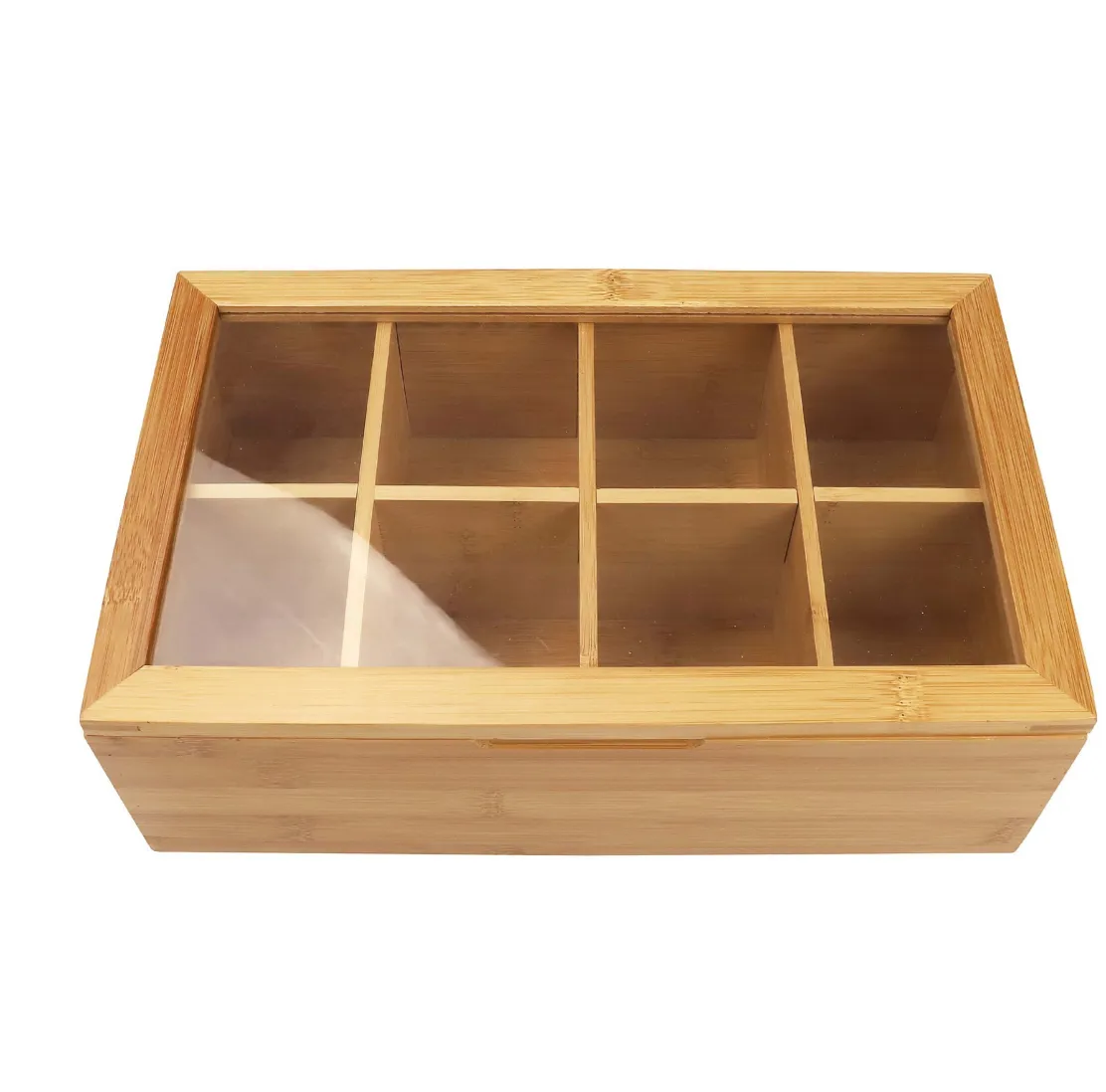
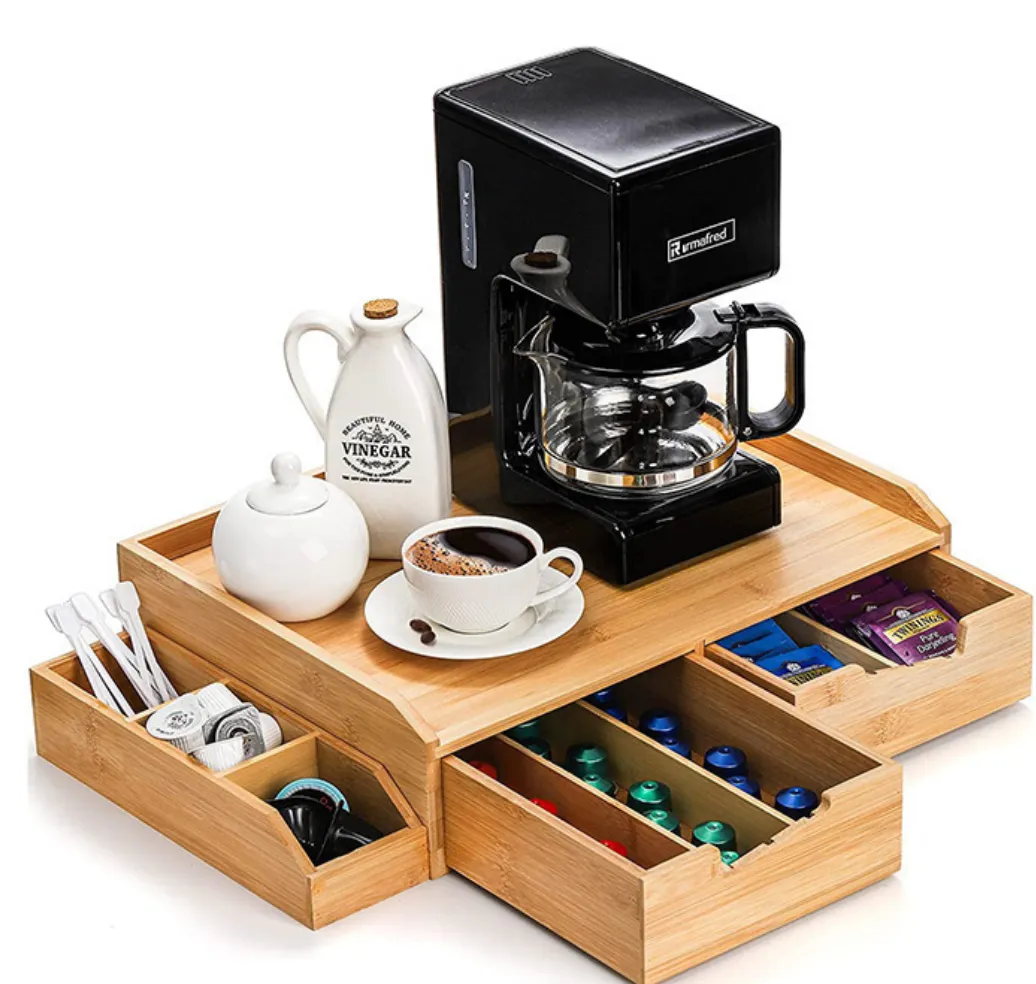
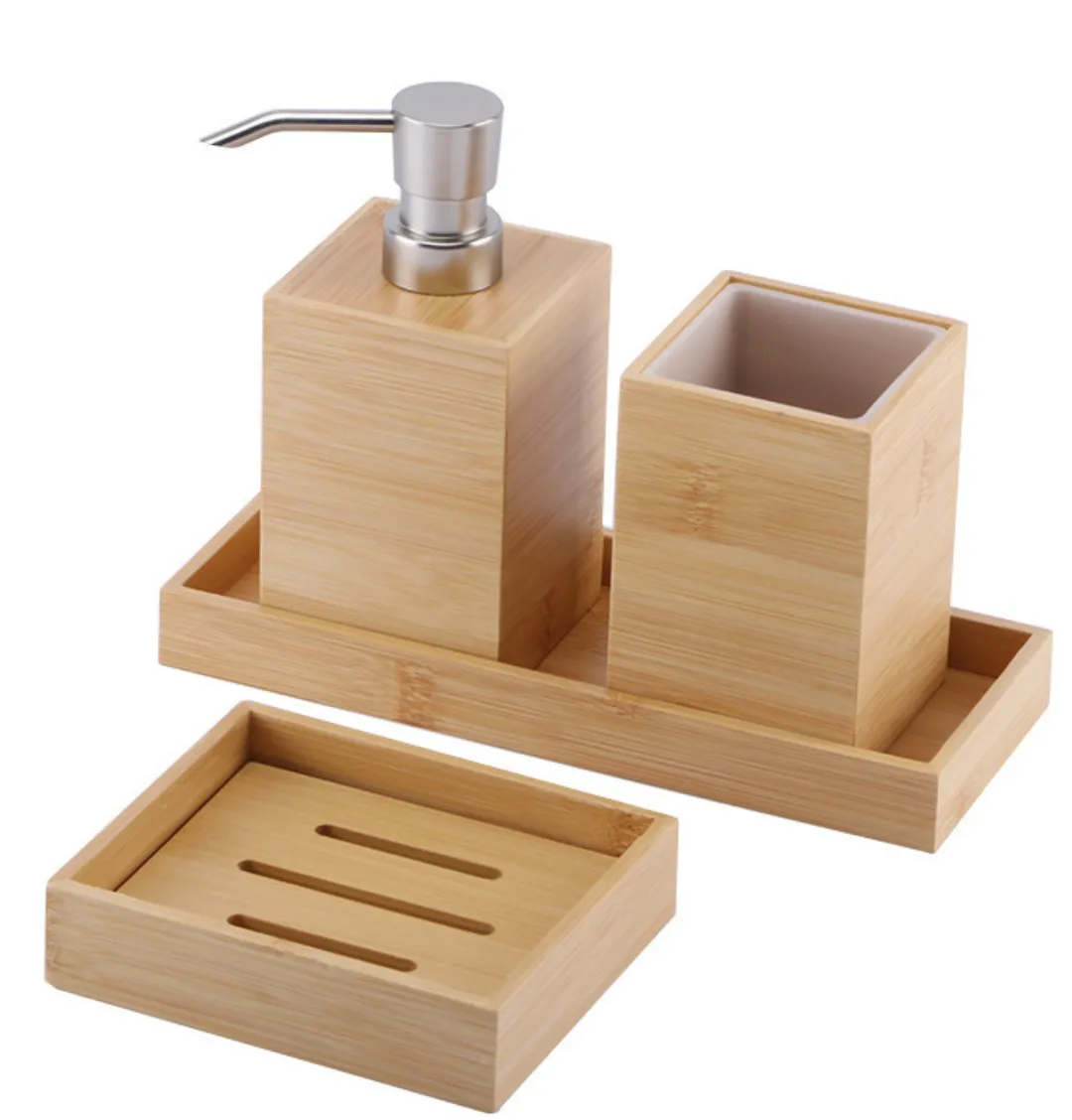
Herkunft & Geschichte. Moso-Bambus aus Südchina — die einzige Art, die für Plattenproduktion hart genug ist. Technisch ein Gras, treibt er aus demselben Wurzelsystem in 5–7 Jahren ohne Neupflanzung wieder aus.
Visueller Charakter. Hellgold (natur) oder warmes Karamell (durch Druckdämpfen karbonisiert). Unverkennbare horizontale Streifung aus den laminierten Halmen. Sehr modern, sehr klar.
Warum Käufer es wählen
- Das nachhaltigste Strukturmaterial unseres Sortiments — wächst in unter zehn Jahren ohne Neupflanzung nach.
- Von Natur aus antibakteriell und antimikrobiell — bevorzugt für Küche, Bad und Tee-Aufbewahrung.
- Janka 1380 — härter als Roteiche, dichter als die meisten gemäßigten Harthölzer.
- Naturfinish und karbonisiertes Finish liefern zwei deutlich verschiedene Farbpaletten aus einer Art.
Was zu beachten ist
- Lässt sich nicht tief schnitzen oder reliefgravieren — die laminierte Struktur splittert.
- Die markante horizontale Streifung ist ikonisch, passt aber nicht zu jeder traditionellen Ästhetik.
Geeignet für
Akazie — Das Charakterholz
Von Honig bis Schokolade, in dramatischen Wirbeln.
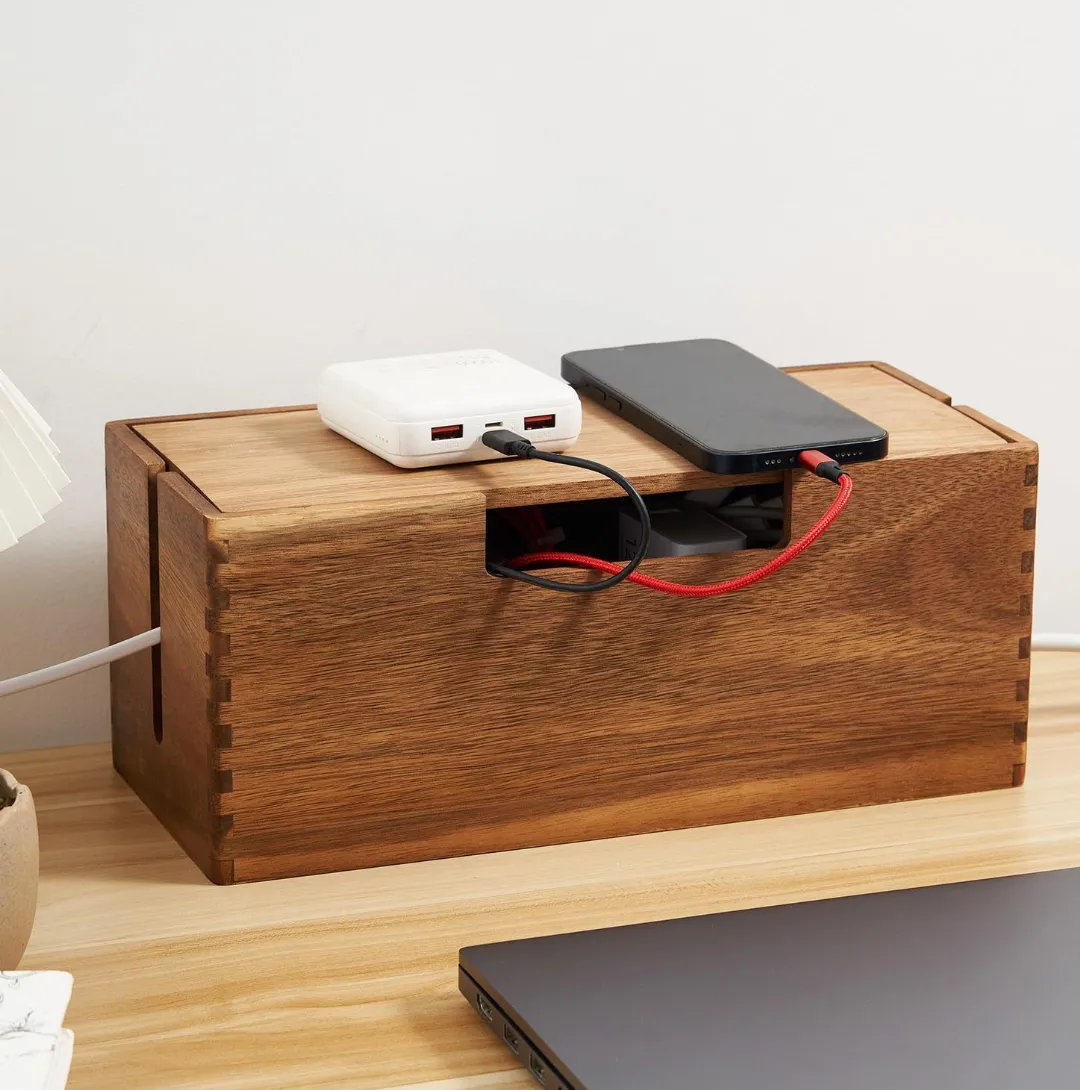
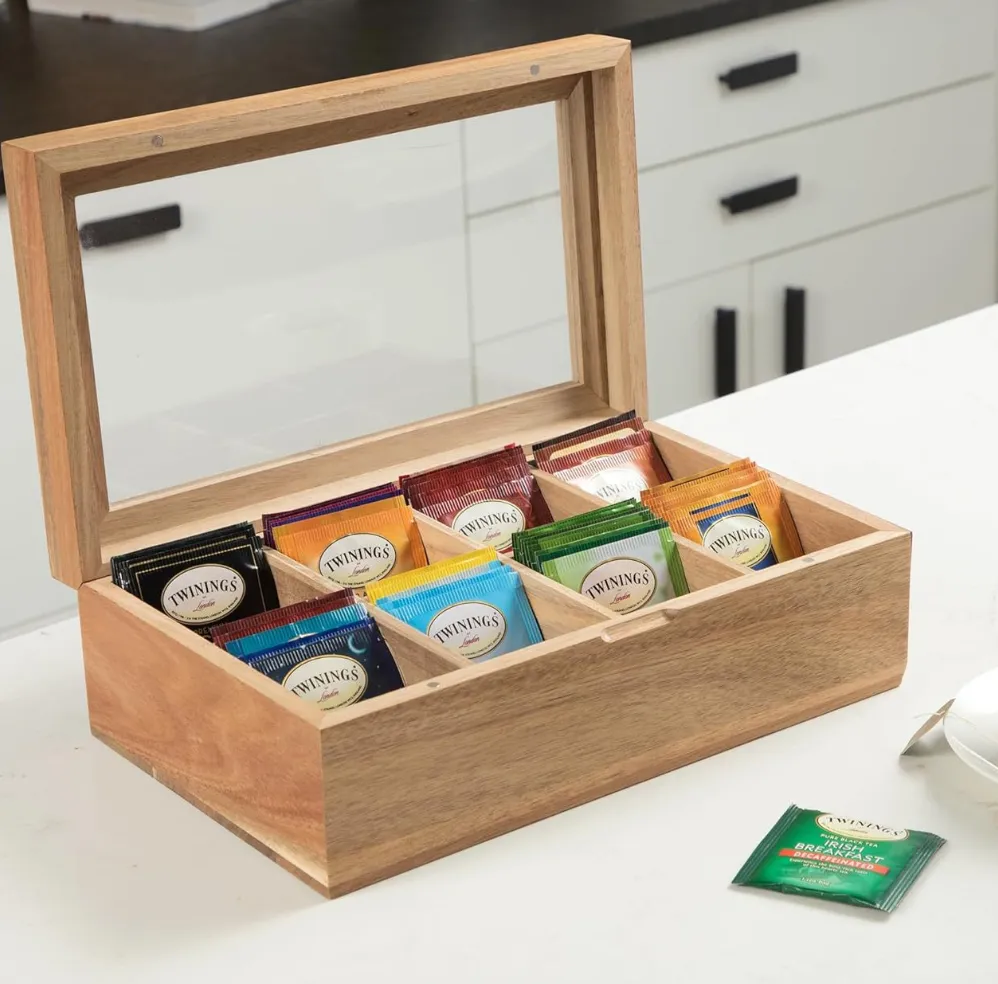
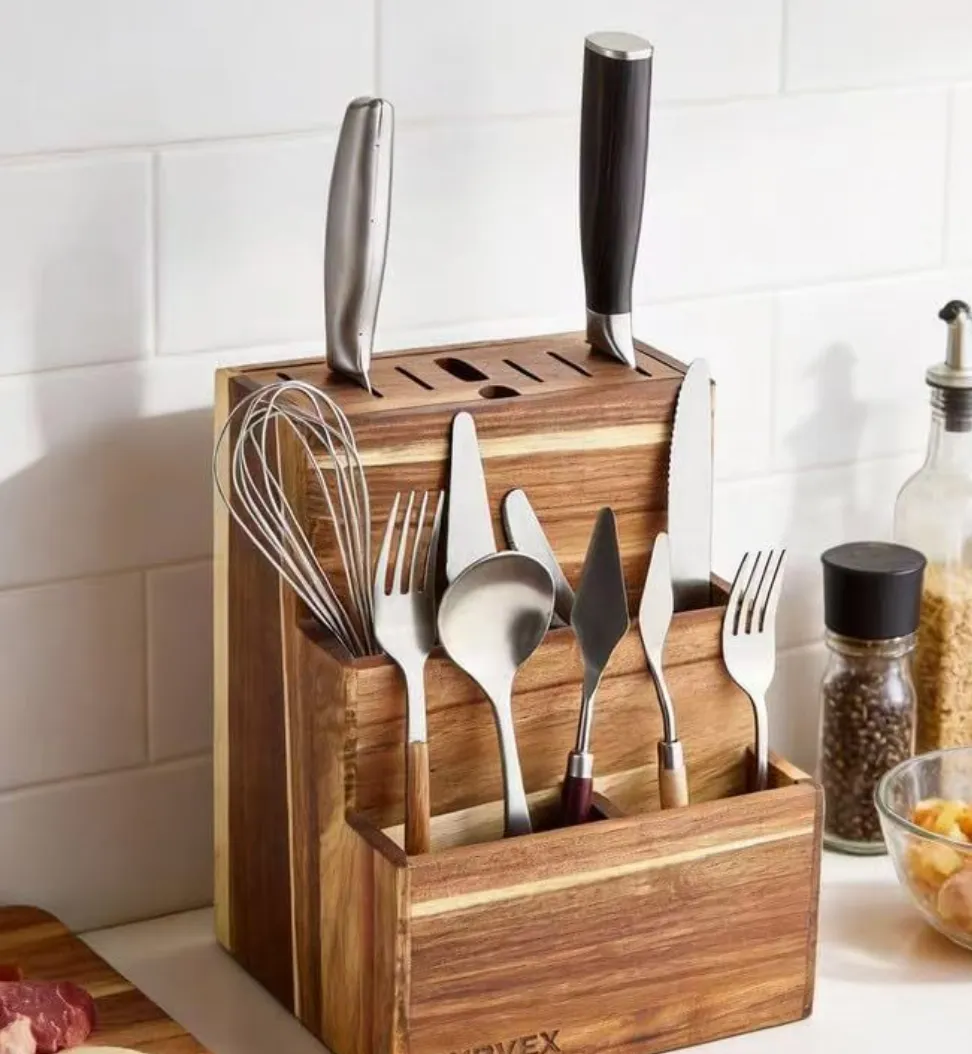
Herkunft & Geschichte. Plantagengewachsen in Vietnam, Indonesien und Ostafrika. Ein schnell wachsendes tropisches Hartholz, das Premium-Härte zum Mittelklassepreis liefert — wenn aus FSC-zertifizierten Plantagen bezogen.
Visueller Charakter. Honiggelbes Herz mit tiefen Schokoladenstreifen, in dramatischen Wirbelfiguren. Jedes Stück ist anders — Charakter, nicht Uniformität, ist der Punkt.
Warum Käufer es wählen
- Eines der härtesten kommerziell verfügbaren Hölzer — alltagsfest.
- Von Natur aus wasserbeständig durch eigene Öle — minimale Versiegelung nötig.
- Dramatische Maserung kommt schon mit einer Ölschicht voll zur Geltung.
- Premium-Look zum Mittelklassepreis — bestes Preis-Leistungs-Verhältnis im Segment „Charakter-Hartholz“.
Was zu beachten ist
- Farbvariationen zwischen Stücken sind groß — wer Uniformität will, wählt besser Walnuss oder Paulownia.
- Tropisches Hartholz — immer FSC-Chain-of-Custody-Dokumentation bestätigen.
Geeignet für
Walnuss — Der Luxus-Standard
Wenn die Box selbst das Geschenk ist.
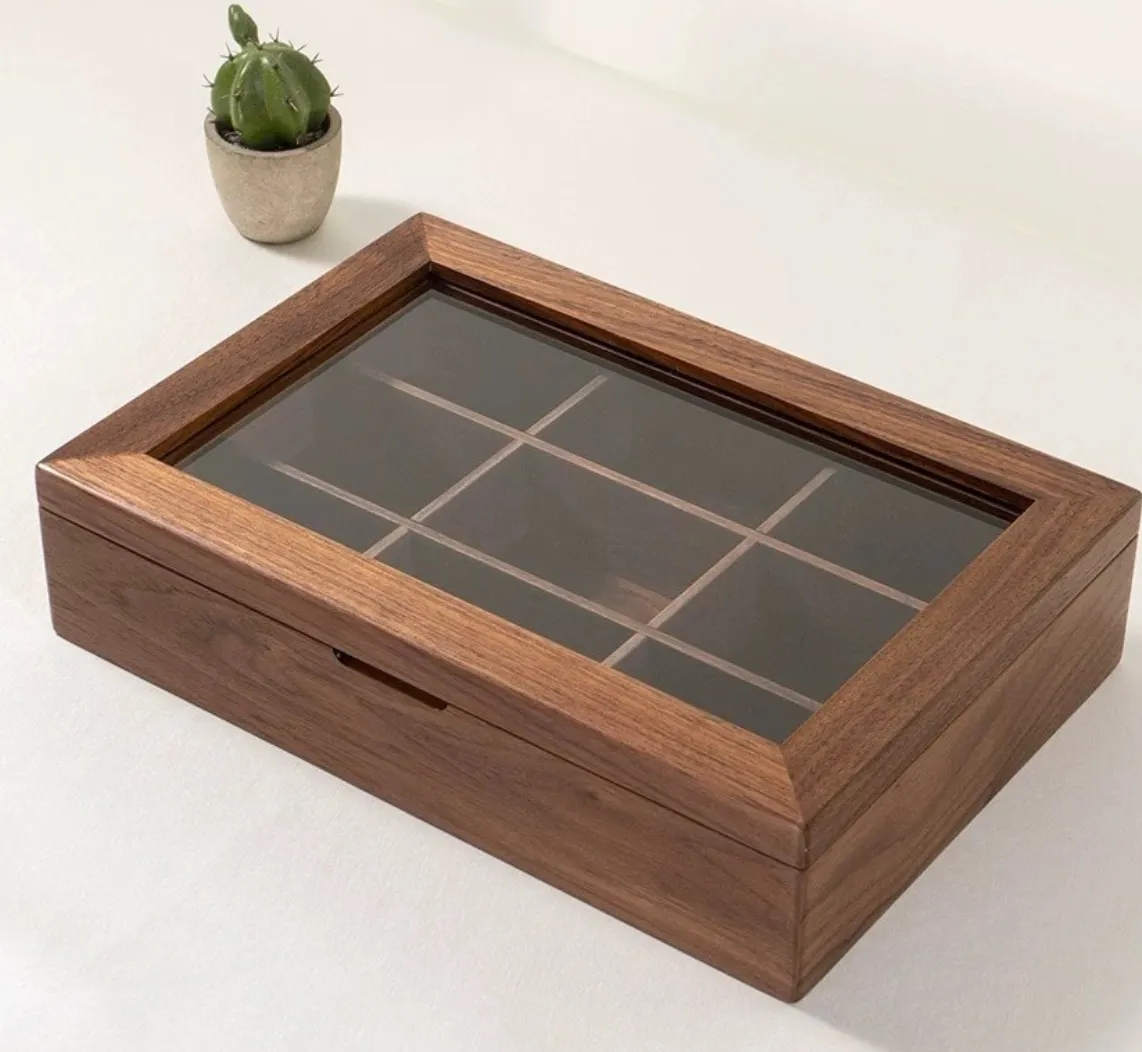
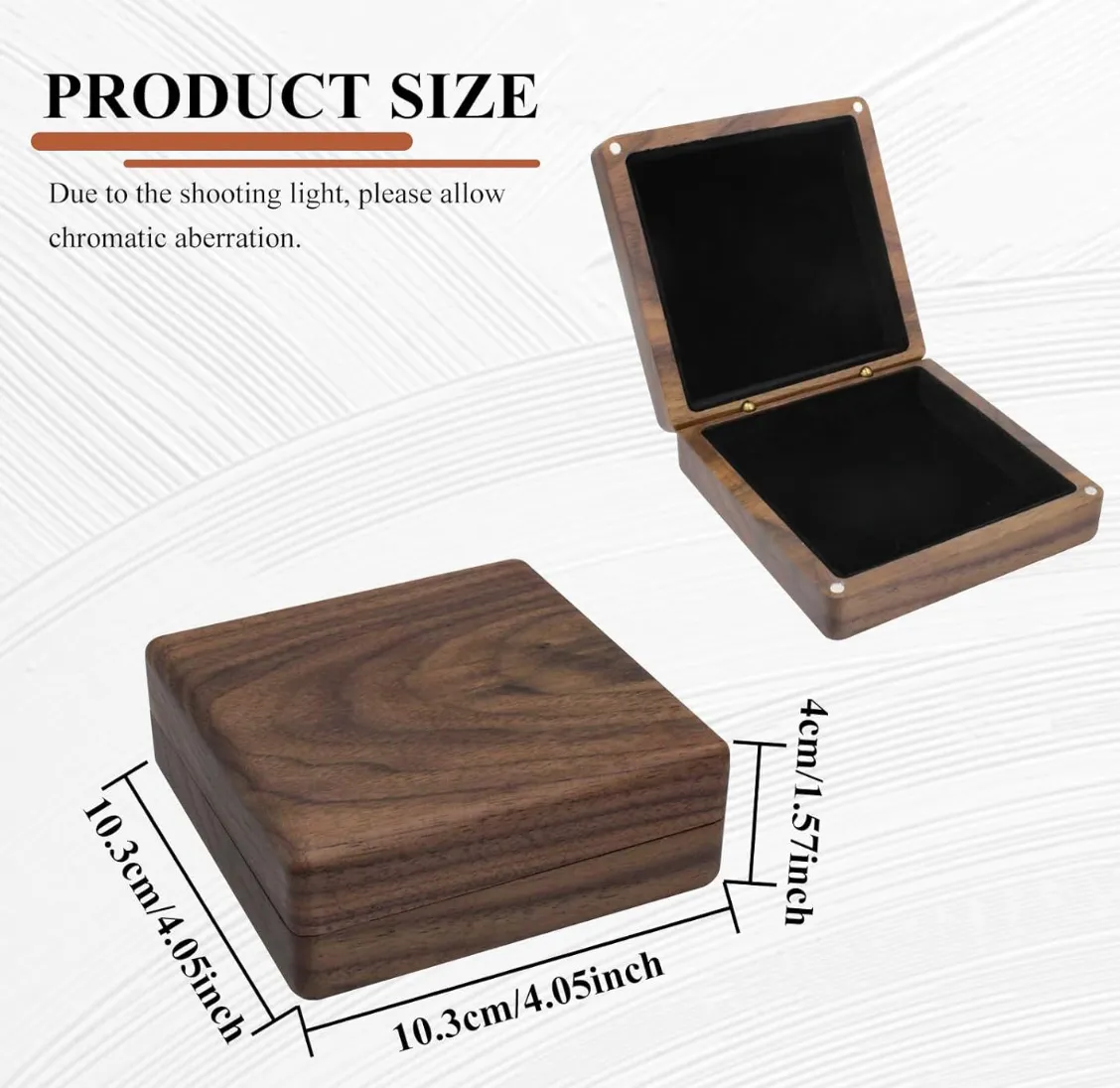
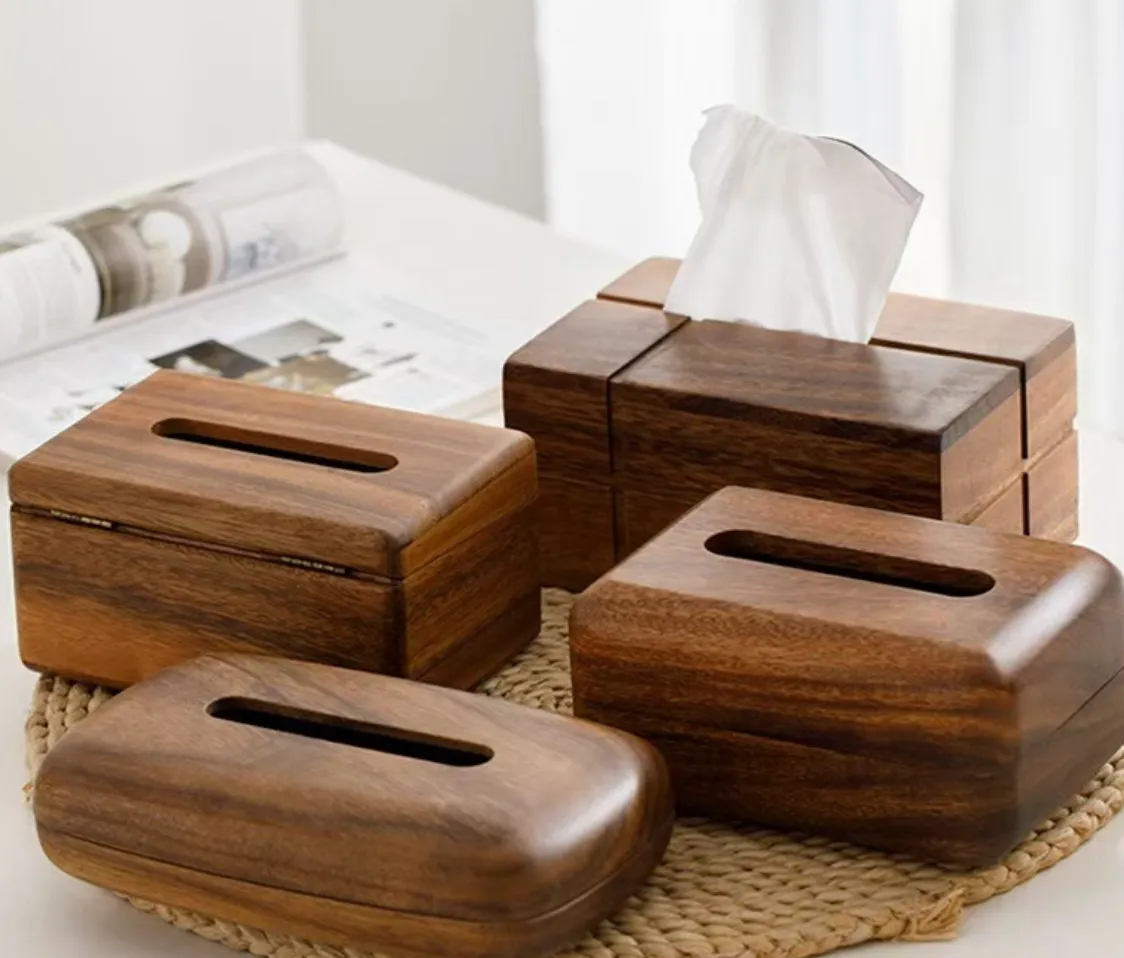
Herkunft & Geschichte. Amerikanische Schwarznuss aus dem Osten und Mittleren Westen der USA — der Goldstandard der Feintischlerei und das Luxus-Standardholz für Uhren, Schmuck und Executive-Gifts weltweit.
Visueller Charakter. Von Natur aus tief schokoladenbraun — keine Beizung nötig. Feine, gerade Maserung, gelegentliche Figur, schleift sich zu einer seidenglatten Oberfläche, die mit ruhigem Glanz endet.
Warum Käufer es wählen
- Die Benchmark unter Luxus-Harthölzern — sofort wiedererkennbar, sofort premium.
- Von Natur aus reiche Farbe — keine Beizung, keine chemischen Match-Coats, kein Bleeding.
- Schleift sich zu einer glasartigen Oberfläche, die Öl, Wachs und Lack wunderbar annimmt.
- Hervorragende Maßhaltigkeit — das richtige Holz für Beschläge mit engen Toleranzen.
Was zu beachten ist
- 4–6× der Preis von Kiefer — reservieren Sie es für Produkte, bei denen die Box Teil des Unboxings ist.
- Die Farbe kann nach Jahren UV-Belastung leicht milder werden — ein Feature, kein Defekt.
Geeignet für
Acht Finishes, von Roh bis Klavierlack
Das Finish ist das, was Ihr Kunde tatsächlich anfasst. Derselbe Paulownia-Korpus kann als rustikales Bastelkit, als moderne minimalistische Box oder als Klavierlack-Luxusverpackung wirken — je nachdem, welches Finish über dem Holz liegt.
Roh / Unbehandelt
Keinerlei Beschichtung. Das Holz wird sauber geschliffen und naturbelassen versendet — bereit, vom Endkunden selbst lackiert, gebeizt oder dekoupiert zu werden.
Glatt Geschliffen
Mehrere progressive Körnungen bis 240–400. Keine Beschichtung, aber eine seidig glatte Oberfläche, die bereits fertig wirkt.
Geölt (Lein / Tung)
Eindringendes Naturöl — kein Oberflächenfilm. Vertieft die Maserung, lebensmittelechte Optionen verfügbar, altert mit weichem Glanz. Alle 6–12 Monate nachölen.
Bienenwachs Poliert
Weiches Bienenwachs zu mattem Glanz poliert. Lebensmittelecht und warm in der Hand. Weniger haltbar als Öl, aber authentischer für Erbstücke.
Lackiert
PU- oder NC-Lack in matt / satin / Klavierlack. Bildet einen Schutzfilm, gleicht die Farbe aus und gibt allen Paneelen einen einheitlichen Glanz.
Lackiert (Farbig)
Pigmentdeckende Farbe — vollständige Pantone-Anpassung. Verdeckt die Maserung vollständig. Handgespritzt in staubgeschützten Kabinen, um Orangenhaut zu vermeiden.
Gebeizt
Tönende Beize (Helle Eiche, Walnuss, Ebenholz, Sonderfarben) lässt die Maserung durchscheinen, anschließend mit Klarlack oder Ölfinish versiegelt.
Geflammt / Shou Sugi Ban
Oberfläche flammgekohlt und dann zurückgebürstet. Die Karbonschicht schützt vor Fäulnis und Insekten und liefert eine dramatische schwarze Maserstruktur.
Sieben Wege, Ihre Marke aufs Holz zu bringen
Holz und Finish bereiten die Bühne — Ihr Branding macht den Abschluss. Hier ist ein klarer Vergleich jeder Methode, die wir im Haus anbieten, mit den Arten und Oberflächen, auf denen jede am besten aussieht.
Lasergravur
Der CO₂-Laser brennt das Motiv ins Holz. Liest auf jeder Art, skaliert vom Prototyp bis zur Serie, hält Details bis 0,3 mm. Unsere Standardwahl für Logos.
Hot-Foil-Prägung
Ein erhitzter Messingstempel presst Metallfolie (Gold, Roségold, Silber, Kupfer, Sonder-Pantone) in die Oberfläche. Premium-Haptik.
Debossing
Ein erhitzter Stempel presst das Logo ohne Tinte oder Folie ins Holz — pure vertiefte Prägung. Subtil, edel, altert mit der Box.
Brandmalerei (Pyrographie)
Eine Eisenspitze brennt das Motiv ein. Vintage-, handgemachte Ästhetik. Leichter Brandhof und Tiefenvariation gehören zum Look.
UV-Druck
Direktdruck CMYK mit UV-Härtung. Fotodetail, Verläufe, mehrfarbige Motive — direkt auf rohem Holz.
Siebdruck
Sondertonfarbe durch Siebdruck — flach, brillant, wiederholbar. Wirtschaftlichste Methode für hochvolumige einfarbige Logos.
Intarsie
Kontrastierendes Holz, Messing oder Perlmutt wird bündig in eine CNC-gefräste Tasche eingelegt. Die Luxusklasse des Brandings.
Beschläge, die halten
Wir lagern europäische verdeckte Scharniere, Aufschraub-Messingscharniere, Neodym-Magnete sowie Messing- und Zahlenschlösser. Mischen Sie nach Belieben — jede Box ist bis zur Beschlagoberfläche spezifizierbar.
Aufschraubscharniere
Sichtbare Messing- oder Stahlscharniere außen hinten montiert. Klassisch, vintage, leicht zu reparieren.
Verdeckte Scharniere
Scharniere im europäischen Stil, in der Wand verborgen — die Außenseite bleibt komplett clean. Soft-Close optional.
Klavierband
Durchgehendes Vollscharnier — die robusteste Option, gleichmäßige Lastverteilung, funktioniert mit sehr langen Deckeln.
Versteckte Magnete
Neodym-Magnete in der Wand eingelassen. Der Deckel schließt mit einem kalibrierten, befriedigenden Schnappgeräusch. Keine sichtbare Hardware.
Messing-Schlüsselschloss
Aufschraub-Messingschloss mit Schlüssel. Klassische Optik, unmissverständliches Sicherheitsmerkmal.
Zahlenschloss
3-stelliger Drehmechanismus — kein Schlüssel zu verlieren, kein Schlüssel zu kopieren. Sauberste Verschlussoption für Reisen und gemeinsam genutzte Räume.
Holz ist erneuerbar — wenn richtig bezogen
Jede Lieferung bauen wir aus FSC-Chain-of-Custody-zertifiziertem Holz, mit prüfbaren Unterlagen vom Wald bis zur Werkshalle. Wir arbeiten mit Paulownia- und Bambusplantagen in China, FSC-bewirtschafteten Akazienplantagen in Vietnam und Indonesien, FSC-Kiefer aus europäischen Wäldern und US-Schwarznuss.
Auch unsere Finishes zählen — wasserbasierte Lacke und lebensmittelechte Öle sind Standard für Küchenutensilien und Lebensmittelverpackungen, und unsere Beschichtungen erfüllen auf Anfrage EU REACH und US CARB Phase 2.
Wenn Nachhaltigkeit eine Markensäule ist, wählen Sie Bambus (wächst in 5–7 Jahren nach) oder Paulownia (ebenfalls 5–7 Jahre, plus der leichteste Frachtfußabdruck aller Hölzer). Für Premium-Harthölzer fragen Sie das FSC-Zertifikat vor Freigabe an — wir stellen es standardmäßig aus.
FSC-Chain-of-Custody zertifiziert
Prüfbare Papierspur vom Waldbestand zur Werkspalette — auf Anfrage zu jeder Lieferung.
Erneuerbare Arten zuerst
Paulownia und Bambus wachsen in 5–7 Jahren nach — die CO₂-effizientesten Hölzer in unserem Portfolio.
VOC-arme Finishes verfügbar
Wasserbasierte Lacke, lebensmittelechte Öle und Bienenwachs — REACH- und CARB-P2-konform auf Anfrage.
Pflanzenschutzzeugnisse
Werden für jede Massivholzlieferung ausgestellt — saubere Zollabwicklung in alle Hauptmärkte.
Häufige Fragen zu Holzmaterialien
Die Wahl der richtigen Holzart ist die erste Entscheidung bei jedem individuellen Box-Projekt. So vergleichen sich unsere fünf Kernhölzer in Maserung, Gewicht, Haltbarkeit und Kosten.
Welches Holz eignet sich am besten für eine individuelle Holzbox – Paulownia, Kiefer, Bambus, Akazie oder Nussbaum?
Es gibt nicht das eine „beste“ Holz – es hängt von Ihrer Priorität ab. Paulownia ist das leichteste und günstigste und ideal für Geschenk- und Verpackungsboxen in großen Stückzahlen. Kiefer ist ein preiswerter, leicht zu veredelnder Allrounder. Bambus ist hart, umweltfreundlich und eignet sich gut für ein modernes Erscheinungsbild. Akazie bietet eine schöne Maserung zum mittleren Preis. Nussbaum ist die Premium-Wahl für luxuriöse Boxen in Erbstück-Qualität. Nennen Sie uns Budget, Optik und Einsatzzweck, und wir empfehlen Ihnen die passende Lösung.
Was ist der Unterschied zwischen Paulownia und Kiefer für Verpackungsboxen?
Paulownia ist extrem leicht, formstabil und verzieht sich kaum, was bei großen Bestellungen Versandgewicht und -kosten senkt – ein Grund, warum es für Wein-, Tee- und Geschenkboxen beliebt ist. Kiefer ist etwas schwerer und dichter, nimmt Beize und Lack sehr gut an und hat einen wärmeren, astigen Charakter. Für Großverpackungen, bei denen Gewicht und Kosten zählen, ist Paulownia meist die bessere Wahl; für eine klassische Massivholz-Anmutung ist Kiefer stark.
Ist Bambus ein gutes Material für Geschenk- und Aufbewahrungsboxen?
Ja. Bambus ist botanisch ein Gras, aber härter und kratzfester als viele Weichhölzer, wächst schnell nach (also nachhaltig) und hat eine klare, zeitgemäße Maserung, die zu Küchen-, Tee- und modernen Geschenkboxen passt. In feuchten Umgebungen empfiehlt sich eine versiegelte Oberfläche, die wir standardmäßig auftragen.
Welches Holz ist am haltbarsten und feuchtigkeitsbeständigsten für Boxen?
Für den Alltag sind Akazie und Nussbaum die härtesten und stoßfestesten unserer Kernhölzer, während Bambus Oberflächenkratzer gut widersteht. Kein unbehandeltes Holz ist vollständig wasserdicht; für feuchte oder dem Außenbereich nahe Anwendungen empfehlen wir daher eine versiegelte Öl- oder Lackoberfläche und bei Bedarf eine feuchtigkeitsbeständige Innenauskleidung. Sagen Sie uns die spätere Einsatzumgebung, und wir spezifizieren entsprechend.
Bestehen Ihre Boxen aus Massivholz oder aus MDF/Sperrholz mit Furnier?
Wir bieten beides an – die richtige Konstruktion hängt von Design und Budget ab. Massivholz (Paulownia, Kiefer, Akazie, Nussbaum) wirkt authentisch und zeigt sichtbares Hirnholz; Plattenwerkstoffe wie MDF oder Sperrholz mit Echtholzfurnier bieten größere ebene Flächen, bessere Kostenkontrolle und sehr gleichmäßige Oberflächen. Viele Serienboxen kombinieren beides. Wir teilen Ihnen zu jedem Angebot genau mit, woraus es gefertigt ist.
Können Sie einen bestimmten Holzton oder ein bestimmtes Finish treffen – Beize, Öl oder Lack?
Ja. Wir können helle Hölzer beizen, um dunklere Arten nachzubilden, und in Naturöl, Matt- oder Glanzlack oder Farblackierung ausführen. Wenn Sie ein physisches Muster oder eine Pantone-/RAL-Referenz schicken, gleichen wir die Farbe auf dem gewählten Holz ab und bestätigen sie vor der Serie mit einem Vorserienmuster.
Welches Holz ist für große Bestellungen am kostengünstigsten?
Paulownia ist dank seines geringen Materialgewichts und der schnellen Verarbeitung in der Regel das kostengünstigste Massivholz für hohe Stückzahlen, dicht gefolgt von Kiefer. Plattenwerkstoffe mit Furnier können bei großen, flächigen Designs die Kosten weiter senken. Der Stückpreis hängt immer von Größe, Finish und Menge ab – teilen Sie uns Ihre Spezifikationen mit, und wir nennen einen genauen Preis.
Ist Ihr Holz nachhaltig bezogen und zertifiziert?
Wir arbeiten mit verantwortungsvoll beschafftem Material und können Holz liefern, das anerkannte Standards erfüllt, darunter FSC (verantwortungsvolle Forstwirtschaft), CARB (Formaldehyd-Emissionen) und EU REACH, ergänzt durch unser ISO-9001-Qualitätssystem. Wenn Ihr Markt bestimmte Zertifizierungsnachweise verlangt, stimmen Sie die Anforderung mit unserem Team ab, damit wir entsprechend beschaffen und dokumentieren.
Sagen Sie uns, was Sie bauen.
Wir wählen das passende Holz.
Schicken Sie eine Skizze, ein Pinterest-Board oder ein Wettbewerbsmuster — unser Team wählt die richtige Kombination aus Art, Finish, Branding und Beschlag und kalkuliert sie binnen 24 Stunden.