Anatomia di una grande scatola di orologio in legno
Cerniere, cuscini, fodera, allineamento del coperchio, serrature: gli otto dettagli che separano le scatole per orologi premium dalle scatole che ottengono recensioni a una stella su Amazon.
In questa pagina
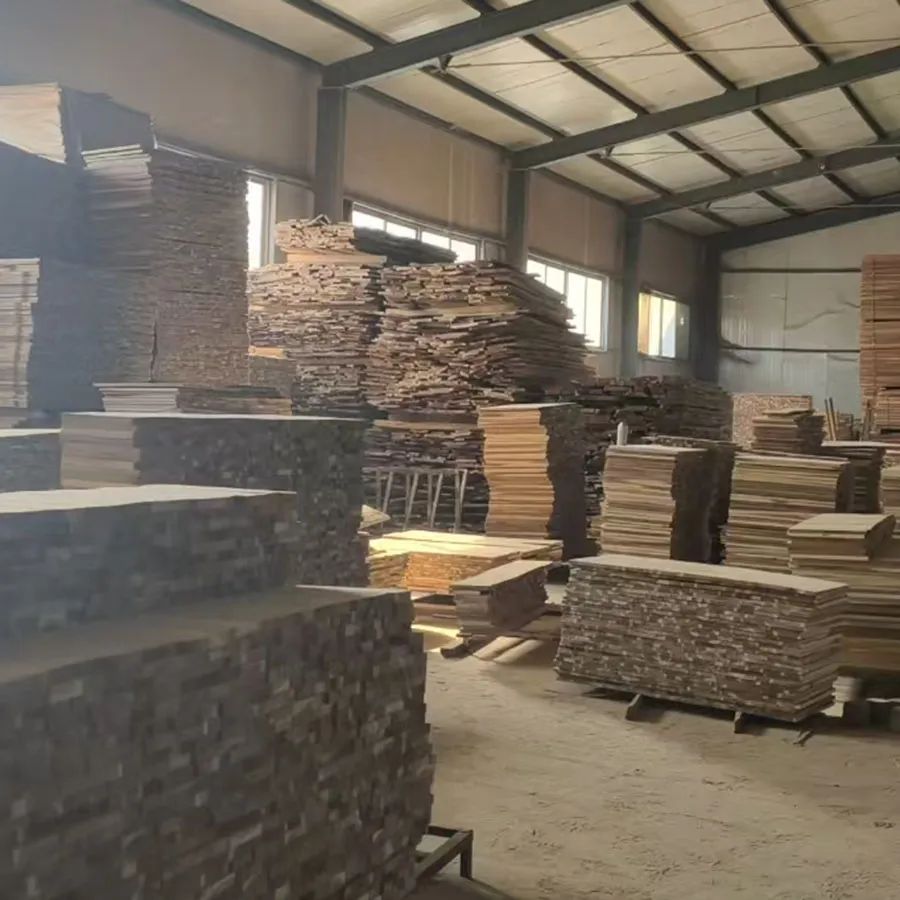
Le scatole di orologi in legno sono la categoria più esigente che facciamo. Gli acquirenti di orologi gireranno la scatola nelle loro mani dieci volte prima di toccare l'orologio. Fanno scorrere un'unghia lungo il bordo del coperchio. Sentiranno l'odore del rivestimento. Chiuderanno il coperchio e ascolteranno lo snap. Notano tutto.
Prendi la scatola giusta e diventa parte del regalo, il tipo di oggetto che si trova sul comò molto tempo dopo che l'orologio si è spostato. Sbaglia e ottieni recensioni a una stella su "scatola dal sentimento economico, l'orologio va bene". Ad ogni modo, la scatola parla.
Ecco gli otto dettagli che, nella nostra esperienza, separano una grande scatola di orologi da una dimenticabile.
1. Il coperchio è piatto-ogni volta
Un coperchio che si distende anche di 0,5mm in un angolo uccide la qualità percepita dell'intera scatola. Non importa quanto sia bello il legno o quanto sia bello il rivestimento: un coperchio aperto sembra economico.
Raggiungere un coperchio a seduta piatta su migliaia di unità richiede tre cose. In primo luogo, legname essiccato in forno a 8-12% MC in modo che il legno non si muova durante il trasporto. In secondo luogo, precisione-taglio scanalature del coperchio e scatola cerchi con tolleranze inferiori a 0.3mm. In terzo luogo, cerniere di qualità installato con maschere adeguate in modo che si siedono quadrato. Le fabbriche economiche mancano di una di queste e il coperchio si girerà entro sei mesi.
Quando assaggiamo un nuovo design, la prima cosa che controlliamo dopo l'assemblaggio è se è possibile far scorrere un pezzo di carta tra il coperchio e il bordo della scatola in uno dei quattro angoli. Se puoi, la scatola torna per essere rimontata prima di lasciare la fabbrica.
2. Cerniere soft-close nascoste
Le cerniere in ottone visibili sembrano tradizionali e funzionano bene per alcuni marchi: regali vintage, orologiai storici, qualsiasi cosa con una voce "classica". Per una sensazione di lusso moderna, le cerniere europee nascoste con un meccanismo di chiusura morbida sono lo standard.
Soft-close significa che il coperchio scende lentamente sotto la tensione della molla e incontra il caso senza sbattere. Il meccanismo aggiunge circa $0,40 per scatola ai nostri volumi tipici, un piccolo aggiornamento per una funzione che la maggior parte degli acquirenti nota e ricorda immediatamente.
Alcuni marchi con cui lavoriamo sono passati alle cerniere a tenuta magnetica (il coperchio rimane aperto a qualsiasi angolazione, il magnete si impegna quando è completamente aperto). Sento premium ma più costoso-di solito giustificato solo sopra i $200 di prezzo al dettaglio.
3. L'interno è dove gli acquirenti si innamorano
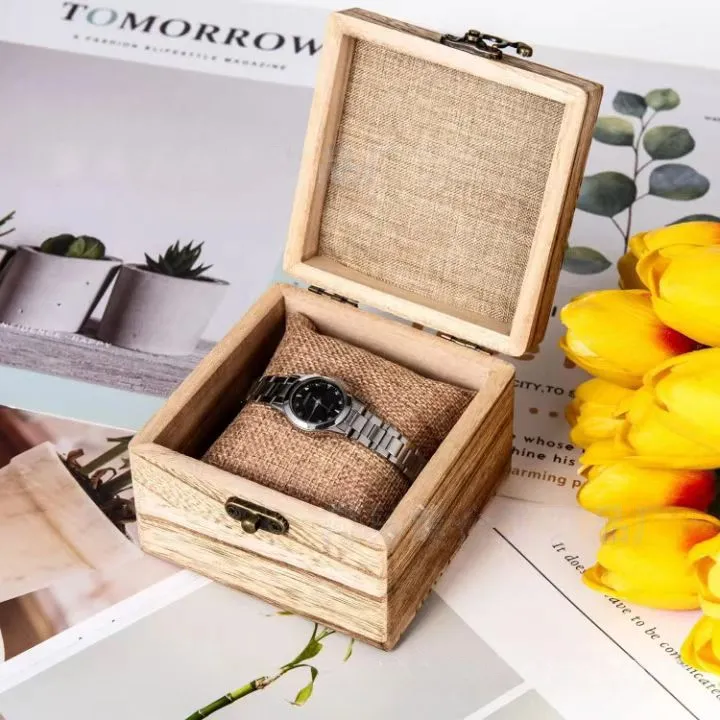
Gli interni delle scatole degli orologi ricevono più attenzione degli esterni, perché il momento di unboxing dura più a lungo del momento della prima impressione. Tre opzioni di rivestimento contano:
Microfibra
Il nostro default per i volumi di produzione. Più resistente del velluto, mantiene la sua forma, non mostra le impronte digitali. Disponibile in 12 colori con logo ricamato su richiesta.
Velluto
Sembra lussuoso nelle foto. Nella vita reale raccoglie impronte digitali, lanugine e polvere della cassa dell'orologio in poche settimane. Consigliamo solo il velluto per regalare una volta dove la scatola vivrà in un cassetto dopo il unboxing.
Faux suede/similpelle
Una terra di mezzo-morbida al tatto, più resistente del velluto, disponibile nelle finiture opache e grana. Sentire premium senza i problemi di manutenzione del velluto.
Anche la fermezza dei cuscini è importante. Troppo morbido e l'orologio è angolato quando viene visualizzato. Troppo fermo e la scatola sembra a buon mercato. Usiamo una schiuma EVA medio-compatta avvolta in microfibra, abbastanza morbida da poter essere letta come premium, abbastanza soda da tenere un orologio da 50g in posizione verticale.
4. Hardware che corrisponde al marchio
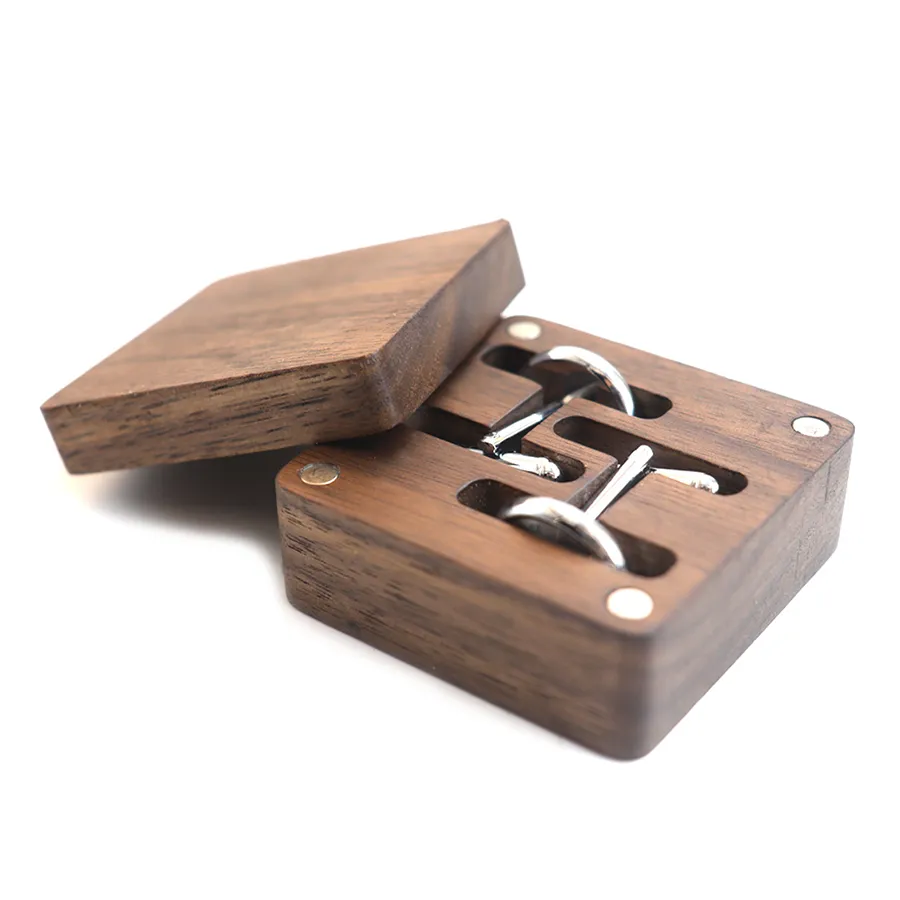
Ottone per il tradizionale. Chrome per lo sport. Nero opaco per il moderno. Ottone antico per l'annata. La finitura dell'hardware fa parte del vocabolario del marchio: la scelta sbagliata e la scatola si dice confusa.
Disponiamo tutte e quattro le finiture di cerniere, fermagli, serrature e piastre per chiavi. Possiamo anche incidere chiavi personalizzate con le iniziali del marchio a $0, 20-0, 30 per chiave, un piccolo aggiornamento che i clienti notano quando ritirano la scatola per la prima volta.
5. Il legno stesso
La noce è l'impostazione predefinita per le scatole per orologi premium: il tono del cioccolato profondo, la grana fine e la finitura superficiale setosa rafforzano il posizionamento di lusso. È anche il materiale più costoso che offriamo. Per la vendita al dettaglio ad alto volume, MDF impiallacciato con noce offre la maggior parte della visuale senza il costo (e con una migliore stabilità dimensionale per la spedizione).
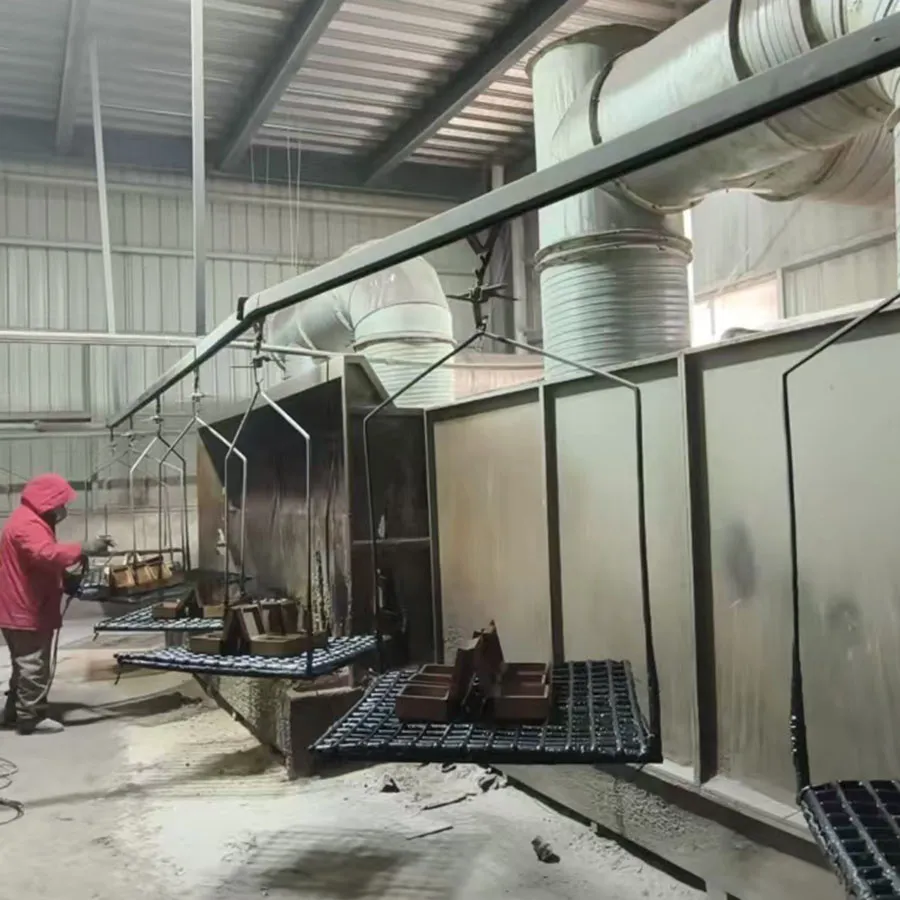
Per i marchi di fascia media, l'acacia ti dà un grano drammatico a un costo ragionevole. Per i marchi di orologi sportivi/outdoor, il rovere con finitura opaca si legge come robusto-premium. Bambù per marchi di orologi eco-posizionati-sempre più popolare tra i marchi per esterni in stile Patagonia che si spostano negli orologi.
Evitare il pino per le scatole di orologi. Il grano si legge come troppo rustico per un prodotto premium e la morbidezza del pino significa che la scatola si ammacca rapidamente con la normale manipolazione.
6. caratteristiche opzionali che guadagnano il loro costo
- Finestra in vetro-consente di vedere l'orologio senza aprire la scatola (ottimo per la visualizzazione al dettaglio)
- Cassetto per accessori-cinghie, cacciavite, manuale, panno per lucidare
- Blocco a camma in ottone con chiave tagliata su misura
- Logo ricamato sulla fodera
- Box stand o display piedino per la vendita al dettaglio
- Integrazione dell'avvolgitore dell'orologio (per gli orologi automatici)
- Chip NFC per la verifica dell'autenticità
7. Una nota sulla capacità
Le scatole di presentazione a orologio singolo sembrano personali e pronte per il regalo. Sono ciò a cui va l'80 % del volume della nostra scatola di orologi.
Le custodie multi-orologio (configurazioni 3, 6, 10, 12, 24 orologi) sono su archiviazione e visualizzazione, non regali. Vendono ai collezionisti e come mobili B2B per i banchi di vendita al dettaglio. La sfida con le scatole multi-watch è assicurarsi che ogni slot per orologi si legga come premium individualmente, il che significa pareti reali tra le fessure, non solo un singolo vassoio di schiuma con ritagli.
Gli avvolgitori dell'orologio sono un animale separato. Hanno bisogno di un motore universale da 100-240V per uso internazionale, polsini ammortizzati in silicone che non graffiano le cinghie di pelle e un ciclo di rotazione programmabile. Possiamo integrare moduli avvolgitore da fornitori cinesi approvati, ma per i marchi di fascia alta consigliamo movimenti Wolf o Buben & Zörweg di fabbricazione tedesca installati da noi.
8. Imballaggio della scatola stessa
Una grande scatola per orologi arriva in un ottimo cartone esterno. Angoli avvolti in tessuto, schiuma morbida, manicotto esterno di marca. La prima cosa che il cliente tocca non dovrebbe essere una scatola di cartone cinese con un'etichetta Amazon schiaffeggiata sul lato.
In genere consigliamo un cartone esterno in due pezzi (base del coperchio) in carta artistica con finitura opaca, con schiuma interna personalizzata per tenere centrata la scatola dell'orologio. Questo aggiunge circa $0, 80-1, 50 per unità, ma trasforma l'esperienza di unboxing.
Una vera citazione della scatola dell'orologio-suddivisa riga per riga
Gli acquirenti spesso chiedono perché due scatole di orologi apparentemente simili possono differire di 3-4 × nel prezzo unitario. Ecco una ripartizione dei costi reali per una scatola di presentazione per orologio singolo da 1.000 unità in due specifiche che abbiamo effettivamente quotato fianco a fianco per lo stesso acquirente.
| Componente | Spec di bilancio | Spec Premium |
|---|---|---|
| Legno (paulownia vs. noce) | 1,10 dollari | 4,80 dollari |
| Cerniere (Tier 1 vs Tier 3 soft-close) | $0,18 | $0,95 |
| Fodera (velluto di base vs. microfibra) | $0,45 | 1,20 dollari |
| Cuscino (schiuma vs. EVA strutturato) | $0,20 | $0,70 |
| Finitura hardware (ottone base vs antico) | $0,15 | $0,60 |
| Cartone esterno (polybag vs. cartone con manicotto di tessuto) | $0,30 | 1,80 dollari |
| Lavoro (QC standard vs. premium) | 1,20 $ | 2,40 dollari |
| Totale per unità | 3,58 dollari | $12,45 |
Entrambe le scatole sembrano superficialmente simili nei render dei prodotti. In mano, la differenza è immediata: la scatola premium pesa di più, si apre più agevolmente, non ha lacune visibili e ritiene che valga il suo prezzo più alto. I clienti se ne accorgono assolutamente. L'acquirente in questo esempio ha effettivamente eseguito entrambe le versioni su Amazon per due mesi. Le recensioni sulla casella del budget avevano una media di 3,8 stelle; le recensioni sulla scatola premium erano in media di 4,7 stelle e il conteggio unitario delle foto di unboxing nelle recensioni dei clienti era quasi 4 × più alto.
La scatola premium era 3,5 × più costosa da produrre. Ha generato un numero significativamente maggiore di riordini e un numero significativamente inferiore di richieste di reso. Per dollaro di entrate, era il prodotto più redditizio.
Domande frequenti sulla scatola dell'orologio
Devo includere uno strumento di rimozione dell'orologio?
Per le scatole con supporti multi-orologio che afferrano saldamente il cinturino, sì: un piccolo strumento di plastica o metallo biforcato che aiuta a sollevare gli orologi senza graffiare aggiunge circa $0,15 per scatola. Per le scatole di presentazione per orologio singolo in cui l'orologio è sciolto su un cuscino, non è necessario alcuno strumento; i clienti si aspettano di ritirare direttamente l'orologio.
Come posso evitare danni alla finitura causati dalla cassa dell'orologio che tocca la fodera?
Usa la microfibra anziché il velluto: la microfibra ha fiber più corte che sono meno abrasive contro le superfici lucidate della cassa. Per gli orologi premium con schienali in zaffiro, suggerisci ai clienti di conservare l'orologio sul cuscino con la custodia abbassata (lo zaffiro è più resistente del vetro sul lato del quadrante). Evita le superfici dei cuscini in pelle scamosciata per gli orologi premium; la pelle scamosciata perde particelle che possono graffiare.
E l'umidità per le scatole che immagazzinano orologi da collezione?
La maggior parte della conservazione degli orologi dei consumatori non necessita di controllo dell'umidità: una scatola di legno su un cassettone va bene. Per un prezioso deposito di raccolta (10 orologi premium, in particolare movimenti meccanici), consiglia un orologio dedicato o un orologio sicuro con controllo dell'umidità integrato. Le scatole di esposizione in legno non sono la giusta categoria di prodotto per l'archiviazione seria della raccolta.
Posso far timbrare il mio marchio negli interni in legno?
Sì, l'incisione laser all'interno del coperchio è una popolare opzione di branding sottile. Circa $0,10 per scatola aggiunti per il tempo del laser. Visibile solo quando il cliente apre la scatola, che è esattamente quando stanno prestando attenzione. Alcuni acquirenti incidono anche un numero di serie per le tirature in edizione limitata.
Quanto dura il rivestimento?
Il rivestimento in microfibra nell'uso normale dura 5-10 anni prima di mostrare un'usura significativa. Il velluto indossa notevolmente entro 1-2 anni dalla manipolazione regolare. Le fodere in finta pelle e tessuto strutturato durano all'incirca quanto la microfibra. Il cuscino all'interno, se viene compresso regolarmente, può avere bisogno di sostituzione dopo 3-5 anni-offriamo inserti di ricambio per cuscini per scatole premium.
Una nota per gli acquirenti di scatole di orologi per la prima volta
Le specifiche della scatola dell'orologio si spostano rapidamente nelle erbacce: ci sono dozzine di piccole decisioni, ognuna delle quali costa $0, 10-1, 00 e ciascuna influisce leggermente sul prodotto finale. La tentazione è di lasciare i dettagli alla fabbrica e confidare che "useranno impostazioni predefinite ragionevoli".
Nella nostra esperienza questo raramente produce una grande scatola. I valori predefiniti sono progettati per il mercato più ampio, non per il tuo posizionamento specifico. Dedica il tempo per specificare il tipo di cerniera, il materiale di rivestimento, la fermezza del cuscino, la finitura hardware e lo stile esterno del cartone in modo esplicito. Prendi un campione con tutte quelle scelte fatte. Tieni il campione. Decidi se ti sembra giusto. Quindi impegnati sul volume.
La scatola dell'orologio è l'unica risorsa fisica del marchio che la maggior parte dei tuoi clienti toccherà. Specificandolo nel modo giusto vale le ore in più.
Una grande scatola di orologi è progettata, non decorata. Prendi il coperchio, le cerniere e la fodera a destra e il resto si prende cura di se stesso.
Gli acquirenti di scatole di orologi sono schizzinosi per un motivo: stanno spendendo centinaia o migliaia di dollari per il prodotto che la scatola contiene e la scatola è la prima impressione fisica del marchio. Gli elementi di dettaglio in questo articolo sono per lo più piccoli: $0,40 qui, 0,5mm là, altri 30 secondi di QC per unità. Sommati insieme sono la differenza tra una scatola di orologi che diventa parte della casa del cliente e una che viene buttata fuori la prossima volta che l'armadio viene pulito.
Se si cercano scatole per orologi per la prima volta, si consiglia vivamente di ordinare un campione di 50 pezzi prima di impegnarsi sul volume. Smonta le scatole di persona, fai scorrere il coperchio attraverso 200 cicli di chiusura aperta, lasciarne uno dall'altezza della scrivania, lasciarne uno nel bagagliaio dell'auto per una settimana. Le scatole che sopravvivono che sono le scatole che sopravviveranno ai tuoi clienti.