5 técnicas de acabamento que mudam a aparência da caixa de madeira
Gravação a laser, hot foil, debossing, serigrafia e óleo-quando usar cada um, quanto eles realmente custam e as combinações que produzem as caixas mais procuradas.
Nesta página
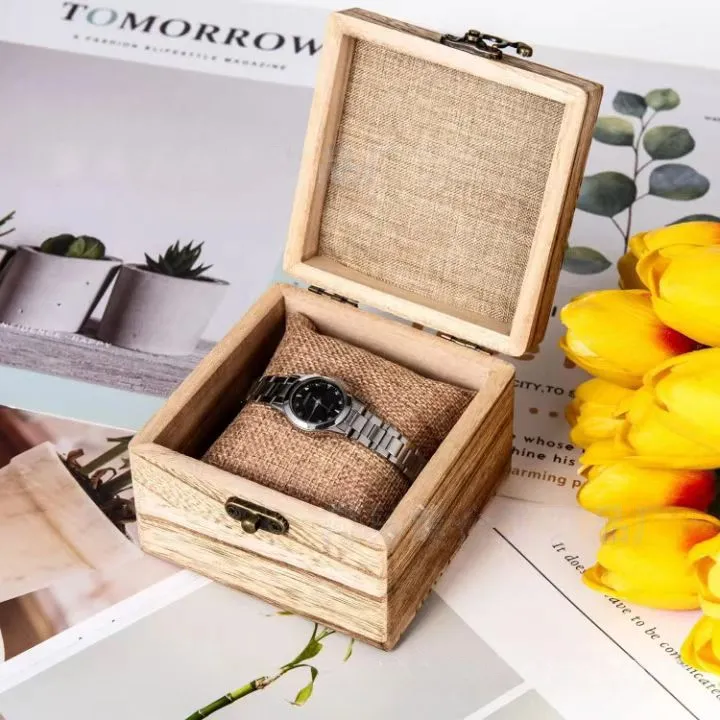
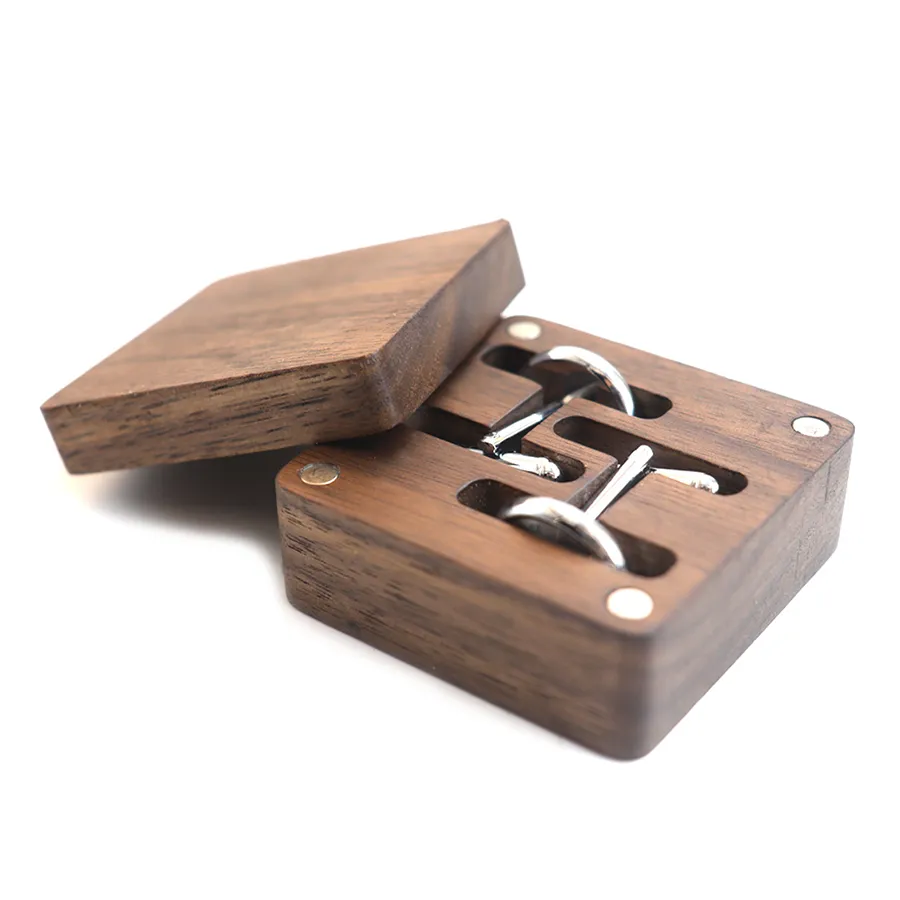
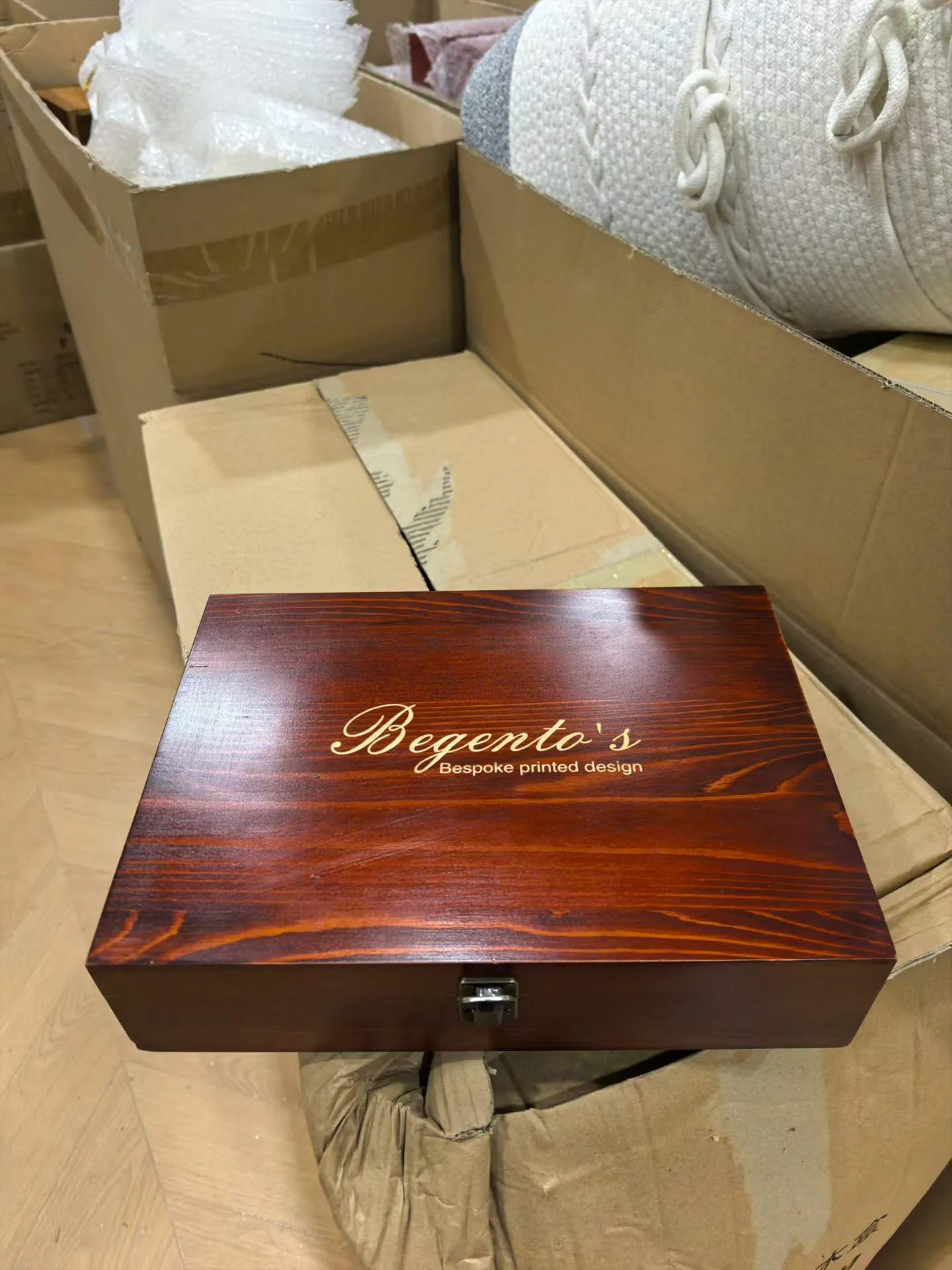
Mesma caixa. Cinco acabamentos diferentes. Cinco produtos completamente diferentes.
Acabamento de madeira é a decisão mais subestimada no processo de compra de caixas. A maioria dos compradores passa horas debatendo o design e a madeira, depois escolhe a técnica de acabamento nos últimos 10 minutos da chamada de especificação. Isso é para trás-o acabamento é o que o cliente toca primeiro, vê primeiro e lembra mais.
Este artigo aborda as cinco técnicas de acabamento que usamos com mais frequência, com enquadramento de custo realista e as combinações recomendadas para diferentes níveis de produtos.
1. Gravação a laser
Um laser CO₂ queima uma marca precisa na superfície da madeira. A marca obtém sua visibilidade da diferença natural de cor entre madeira queimada e não queimada-então a gravação a laser funciona melhor em espécies pálidas (paulownia, pinho, bambu) e parece sutil ou invisível em espécies escuras (nogueira).
Quando a gravação a laser ganha
- Pedidos de alto volume-sem custo consumível por unidade, apenas tempo de máquina
- Madeira pálida com marca clara-o contraste faz o trabalho
- Linha detalhada trabalho, texto fino, logotipos complexos-os punhos do laser detalham nenhuma outra técnica pode
- Logotipos tonais que devem parecer naturais em vez de aplicados
Quando ignorá-lo
- Noz, superfícies escuras manchadas ou oleadas-escuras (baixo contraste)
- Quando você precisa uma cor específica do tipo (a gravura é monocromática)
- Logotipos fotográficos ou arte fine de meio tom
Custo: tipicamente $0.06-0.15 por caixa em volume. Custo de configuração: zero (arquivo digital vai direto para laser).
2. Hot stamping folha
Uma matriz metálica aquecida pressiona a folha metálica na superfície da madeira. O resultado é uma marca nítida e brilhante em ouro, prata, cobre, ouro rosa ou preto fosco. Das cinco técnicas, a folha quente produz a primeira impressão mais "premium"-é a técnica que sinaliza mais fortemente "este é um produto de luxo".
Quando folha quente ganha
- Embalagem presente premium-qualquer coisa acima $40 varejo
- Marcas com logotipos metálicos (pense vinho, bebidas espirituosas, relógios, fragrâncias)
- Espécies de grãos lisos ou superfícies lacadas (a folha fica plana)
- Logotipos pesados (folha em wordmarks parece ótimo)
Quando ignorá-lo
- Madeira áspera ou de grão aberto (folhas rachadas através do grão)
- Outdoor / hard-use produtos (folha vai arranhar ao longo dos anos)
- Margens apertadas-a folha é a mais cara das cinco técnicas
Custo: US $0, 20-0, 45 por caixa no volume, mais US $80-250 custo de configuração para o dado.
3. Debossing
Uma matriz aquecida pressiona uma impressão na madeira sem tinta ou papel alumínio-deixa uma marca limpa e embutida que captura sombras. Debossing é a mais sutil e indiscutivelmente a mais premium das cinco técnicas. Ela não grita, ela sussurra. Marcas com posicionamento de luxo silencioso adoram.
Quando a debossing ganha
- Marcas minimalistas premium-nível Esopo, Diptyque, Patagônia
- Tratamentos de logotipo tom sobre tom onde você quer a forma, mas não a cor
- Nogueira, carvalho e outras madeiras escuras onde o laser não mostraria
- Produtos de longa vida onde a folha pode riscar ao longo dos anos
Custo: US $0, 18-0, 35 por caixa no volume, mais US $80-250 configuração para o dado. Mesmo custo de instalação da folha mas sem custo consumível.
Impressão 4. Screen
Tinta pigmentada empurrada através de uma tela na madeira. Melhor técnica para logotipos coloridos, grandes áreas planas ou qualquer marca que precise corresponder a um Pantone específico. A impressão da tela fica na superfície (não pressionada) para que a textura fique levemente elevada.
Quando a impressão do ecrã ganha
- Logotipos de cores que não podem ser reduzidos a um único tom
- Grandes painéis planos com cor marca bloqueio
- Requisitos de cores compatíveis com Pantone
- Produtos de nível intermediário onde a sensação ligeiramente menos premium é aceitável
Quando ignorá-lo
- Posicionamento premium-a impressão da tela é lida como impressa, o que pode diluir a sensação de luxo
- Detalhe muito fino (mais adequado para laser ou folha)
- Superfícies que receberão abrasão pesada (a tinta desaparece ao longo dos anos)
Custo: US $0, 10-0, 25 por caixa em volume por cor. A impressão em tela multicolorida custa mais proporcionalmente.
5. óleo e cera base acabamentos
Não um acabamento de logotipo-mas muda tudo sobre como a madeira se sente. Óleo de atum, cera de abelha, óleo dinamarquês e óleo mineral seguro para alimentos trazem o grão natural, adicionam resistência à água e dão à madeira uma aparência macia e acabada à mão que a laca não consegue igualar.
Acabamentos a óleo são particularmente importantes para caixas premium de nogueira, acácia e carvalho. A mesma caixa de noz, acabada em laca versus óleo, é lida como dois produtos completamente diferentes. A laca adiciona um leve brilho semelhante a plástico; o óleo revela a madeira e deixa-a envelhecer.
O trade-off é durabilidade-acabamentos de óleo são mais macios do que a laca e precisa re-lubrificação a cada 1-3 anos se a caixa é muito usada. Para embalagens de presentes que ficam principalmente em uma prateleira, isso não é um problema. Para produtos de cozinha que são lavados regularmente, a laca é geralmente a melhor escolha.
Custo: os acabamentos em óleo e cera normalmente adicionam US $0, 30-0, 80 por caixa versus verniz padrão, dependendo dos revestimentos. O tempo de cura é significativamente maior-até 72 horas por demão.
Combinando técnicas-as caixas mais procuradas
As caixas mais procuradas quase sempre combinam duas técnicas de acabamento. A combinação importa mais do que qualquer técnica única.
Noz Premium com acabamento a óleo logo gravado
Usado pela maioria relógio premium e jóias marcas. O acabamento em óleo de madeira permite que o grão respire; o logotipo gravado adiciona a presença da marca sem interromper a superfície. Sobre como prémio quanto ele ganha.
Caixa de pinho com folha quente branding fosco laca
Clássico mid-premium gifting. Pine é acessível; laca fosca dá um acabamento sofisticado sem a aparência de plástico brilhante; folha quente oferece o sinal premium que eleva o nível de preço percebido.
Caixa de bambu com óleo seguro alimentar gravação a laser
Padrão para cozinha premium e chá marcas. História ecológica (óleo natural de bambu), logotipo detalhado limpo (laser), superfície segura para alimentos. Três coisas que o cliente pode entender imediatamente sem ler qualquer cópia.
Uma lista de compradores
- Combine a técnica com a madeira-laser para pálido, deboss para escuro, folha para liso
- Combine a técnica com o nível de preço-foil/deboss acima de US $40, laser/tela abaixo
- Sempre experimente pelo menos duas opções de acabamento antes do commit
- Peça um teste de desgaste de acabamento-deixe uma amostra em seu escritório por 30 dias e verifique
- Obtenha cotações de custo de pelo menos duas combinações técnicas para informar a decisão do projeto
Quanto tempo cada acabamento realmente dura
Acabamentos usam diferente. Alguns ficam bem no primeiro dia e se degradam visivelmente dentro de um ano de manuseio normal; outros parecem quase idênticos no primeiro dia e ainda ficam ótimos após uma década. Os clientes não necessariamente sabem a diferença na compra-mas eles se lembram quando algo falha.
Gravação a laser
Permanente. A marca é queimada na madeira; não pode arranhar, desaparecer na luz solar ou se desgastar com o manuseio. A madeira em si pode escurecer ao longo do tempo, reduzindo ligeiramente o contraste, mas o logotipo gravado permanece visível essencialmente para sempre.
Estampagem a quente com folha metálica
A mais frágil das cinco técnicas. A folha senta-se na superfície e pode riscar sob o impacto afiado ou o desgaste da manipulação freqüente. Folhas premium com aderência adequada normalmente aguentam de 5 a 10 anos em caixas de presente levemente manuseadas; falham dentro de 1 a 2 anos em produtos fortemente manuseados. Evite papel alumínio em produtos que vão viver em bolsos, cozinhas ou ambientes de oficina.
Rebaixamento
Permanente como gravação a laser. A marca é a compressão física das fibras de madeira, não uma substância aplicada. Não é possível raspar, desbotar ou usar de qualquer maneira que não seja lixar toda a superfície.
Serigrafia
Durabilidade de gama média. Tinta pigmentada com acabamento de cura UV (que é o que usamos como padrão) mantém até 5-8 anos de uso normal. Eventualmente irá desaparecer sob luz solar direta e pode arranhar sob abrasão pesada. Melhor que folha, pior que deboss ou laser.
Acabamentos base óleo e cera
O acabamento base se desgasta a uma taxa mensurável-cerca de uma reaplicação a cada 2-3 anos para produtos em uso normal, a cada ano para produtos de cozinha. Os clientes que não re-óleo vai ver a madeira secar gradualmente e perder o seu brilho. A laca, pelo contrário, dura a vida da caixa sem nenhuma manutenção do usuário.
Quando o acabamento dá errado
Três casos reais de problemas de acabamento que vimos e o que eles realmente custam ao comprador.
Caso 1: Folha rachando em pinho de grãos ásperos
Um comprador especificou a marca hot-foil em pinho rústico, contra a nossa recomendação. Folha aplicada bem, parecia ótimo em renderizações. Dentro de 8 meses de estar nas prateleiras do varejo, a folha rachou o grão em cerca de 30% das unidades em sua loja, particularmente em cartões perto dos padrões de nó. Custo para remediar: reordenamento completo dos SKUs afetados (cerca de US $42.000) mais processamento de devolução no varejo.
Caso 2: Laca sobre óleo insuficientemente curado
Um comprador queria acabamento a óleo para a aparência, mas verniz para a durabilidade. A fábrica que originalmente produziu (não nós) aplicou verniz sobre óleo que não tinha curado completamente. Em 3 meses, a laca começou a enrugar e descascar nas bordas. Custo: reordenar total, aproximadamente $28.000.
Caso 3: logotipo impresso em tela desaparecendo na luz solar direta
Um comprador especificou a cópia da tela para placas de corte marcadas do bambu do óleo-revestimento. As placas foram vendidas em um varejista high-end que as exibiu em uma janela iluminada pelo sol. Em 6 meses, todas as unidades exibidas tinham visivelmente desbotado a marca impressa, enquanto o inventário no depósito permanecia perfeito. Custo: substituição de unidades de exibição e uma mudança para a marca debossed para a próxima produção.
Perguntas finais frequentes
Posso combinar três acabamentos em uma caixa?
Tecnicamente sim, praticamente raramente vale a pena. As combinações mais comuns são dois acabamentos (um para o tratamento de superfície, outro para a marca). Adicionar um terço normalmente apenas adiciona custo sem agregar valor-e complica a linha de produção.
Como faço para obter a cor Pantone exata da minha marca?
A serigrafia é a única técnica que suporta correspondência de cores. Folha quente vem em cores metálicas padrão (ouro, prata, cobre, ouro rosa, holográfico)-não Pantone-matchable. Laser é madeira queimada monocromática. Deboss está tom sobre tom. Se a correspondência exata das cores for essencial, você está escolhendo a tela impressa.
O acabamento afetará a segurança alimentar dos produtos de cozinha?
As lacas usadas em nossas especificações de segurança alimentar são compatíveis com a FDA para contato indireto com alimentos (tocando na caixa, não no próprio alimento). Para contato direto com alimentos (charcutaria, caixas de servir), use óleo mineral ou cera de abelha-ambos são 100% seguros para alimentos e aprovados internacionalmente. Sempre especifique o caso de uso para que possamos recomendar o acabamento correto para conformidade.
Posso provar dois acabamentos antes de decidir?
Sim-recomendamos vivamente. Para aproximadamente $100-200 adicionados a uma ordem da amostra, nós podemos produzir duas amostras com tratamentos diferentes do revestimento. O custo é trivial em relação a fazer a escolha errada em milhares de unidades de produção.
Mesma caixa, cinco acabamentos diferentes-cinco produtos completamente diferentes. O acabamento é o que o cliente toca primeiro, vê primeiro e lembra mais. Escolha como importa, porque importa.